Vickery Village

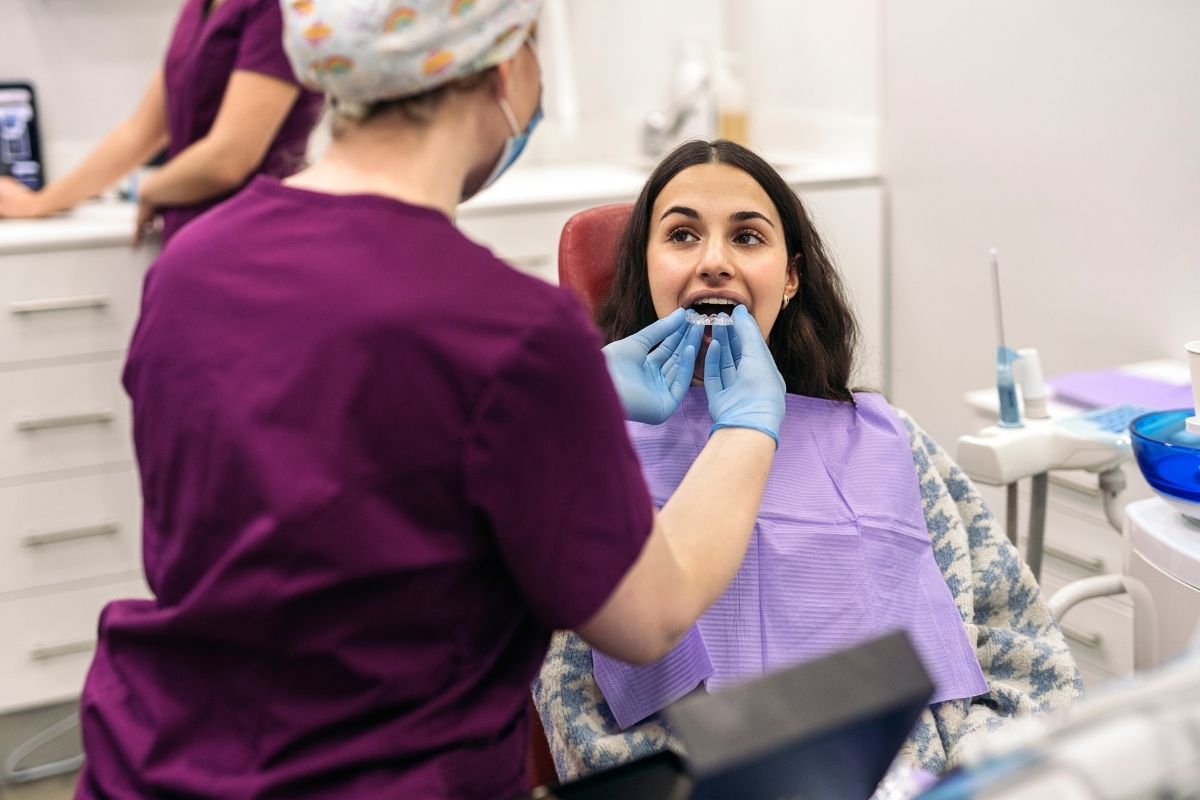
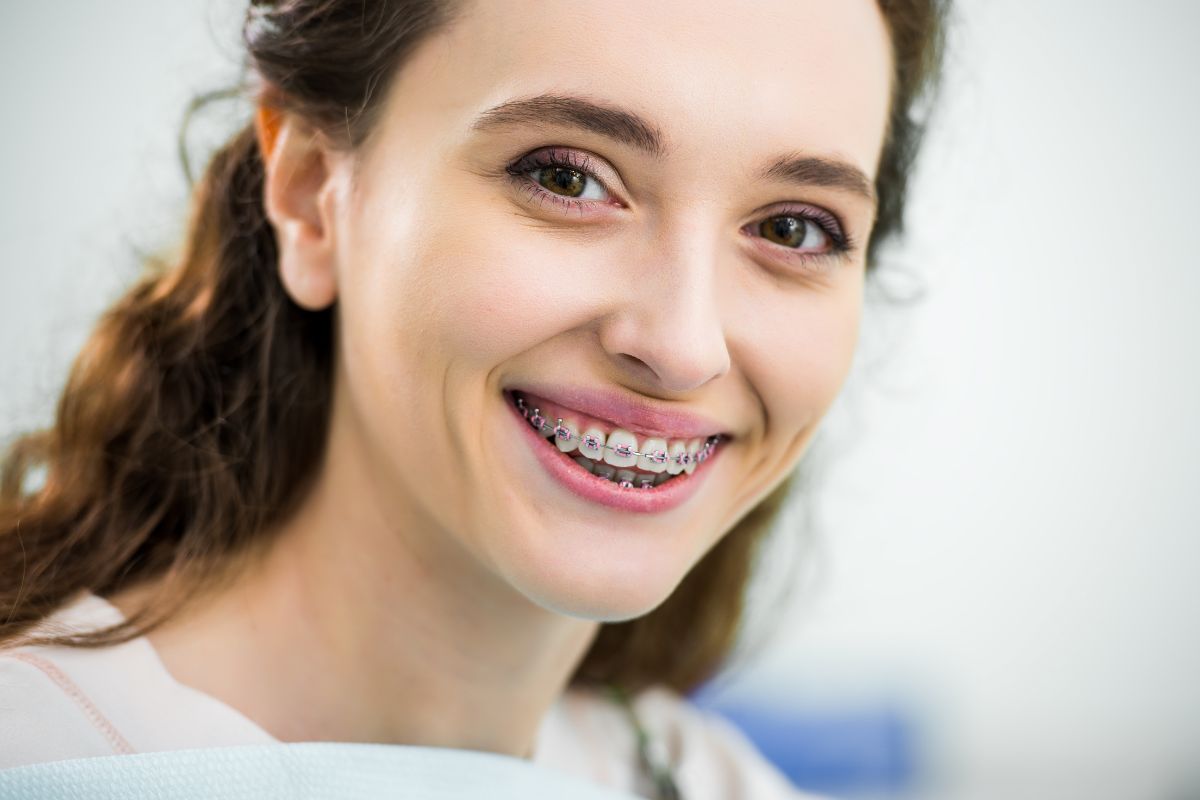
Starting orthodontic treatment is an exciting step toward a healthier, more confident smile. Whether you’re wearing braces or clear aligners, what you eat can directly impact your comfort, oral health, and overall results. If you’re receiving treatment from an orthodontist in Cumming ga, understanding food do’s and don’ts helps you avoid broken brackets, unnecessary discomfort, and treatment delays. In this complete guide, we’ll walk you through what to eat during orthodontic treatment and foods to avoid with braces, and practical tips to keep your smile on track. This article is designed to help local patients make smart, stress-free choices every day.
Why Diet Matters During Orthodontic Treatment
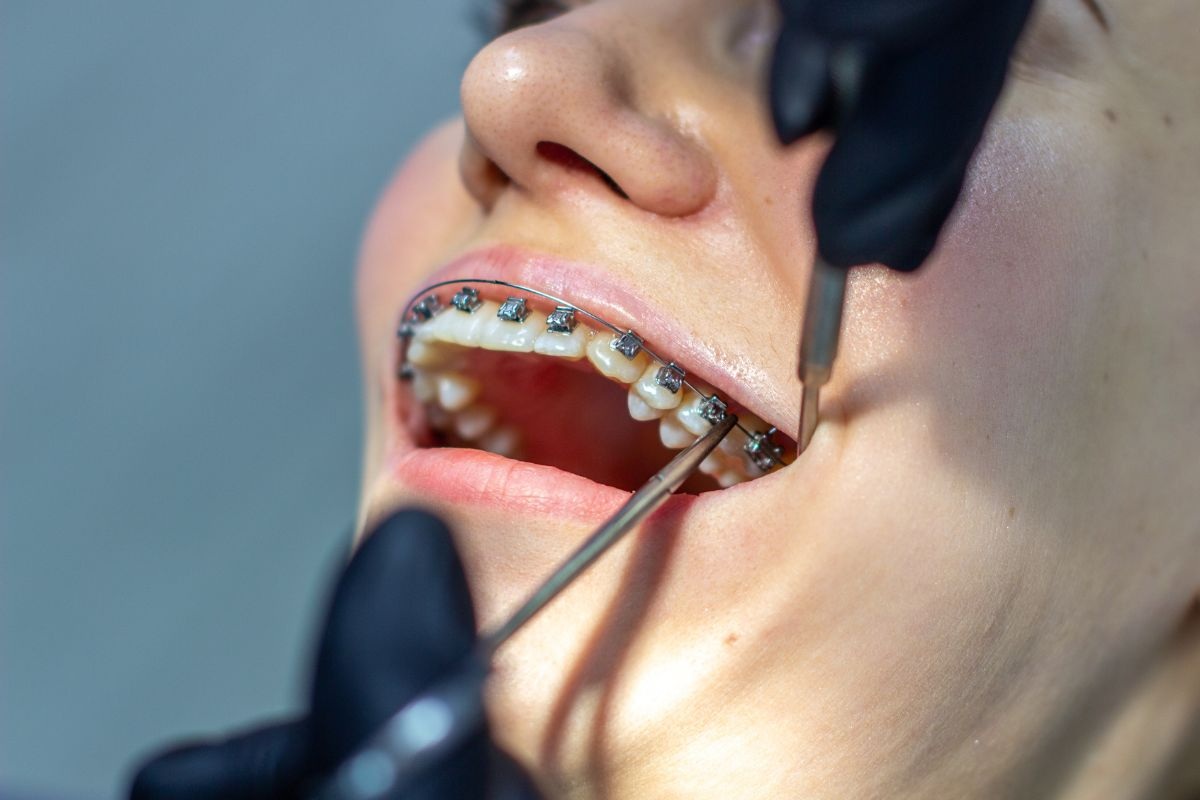
Orthodontic appliances apply gentle, continuous pressure to move teeth into proper alignment. Certain foods can interfere with this process by damaging wires, loosening brackets, or increasing plaque buildup. Choosing the right foods supports orthodontic treatment success, protects your investment, and reduces emergency visits.
Patients across Cumming, Forsyth County, Alpharetta, and Dawsonville often ask how to enjoy meals without risking setbacks. The good news? With a few adjustments, you can still eat well and comfortably.
Foods to Avoid While Wearing Braces or Aligners
Being mindful of foods to avoid with braces can save you time, discomfort, and repair appointments.
Hard and Crunchy Foods
Hard foods place excessive pressure on brackets and wires, increasing the risk of breakage.
Avoid:
- Nuts and seeds
- Popcorn and unpopped kernels
- Ice and hard candies
- Hard taco shells and crusty bread
These items can easily damage appliances and slow progress in your braces care routine.
Sticky and Chewy Foods
Sticky foods cling to orthodontic hardware, making them difficult to clean and increasing cavity risk.
Avoid:
- Caramel and taffy
- Gummy candies
- Chewing gum
- Licorice
Sticky textures can pull brackets loose and trap sugar against enamel, affecting oral health with braces.
Sugary Foods and Drinks
Sugar feeds bacteria that cause plaque and decay—especially problematic when brushing is more challenging.
Limit:
- Soda and sweetened teas
- Candy and baked goods
- Sports drinks
Reducing sugar supports cavity prevention during orthodontics and keeps gums healthy.
Foods You Can Eat During Orthodontic Treatment
A braces-friendly diet doesn’t have to be boring. Plenty of nutritious, satisfying options are safe and enjoyable.
Soft Foods for Comfort
Soft foods are gentle on teeth and ideal after adjustments.
Great choices include:
- Mashed potatoes
- Yogurt and cottage cheese
- Applesauce
- Scrambled eggs
- Oatmeal and soups
These options reduce soreness and support comfortable orthodontic care.
Fruits and Vegetables (Prepared the Right Way)
Fruits and veggies are essential for overall health—just prepare them smartly.
Best options:
- Bananas, berries, and soft melon
- Steamed carrots, broccoli, and spinach
- Pureed or roasted vegetables
Cooking or cutting foods into small pieces protects appliances while maintaining nutrition during orthodontic treatment.
Protein, Dairy, and Whole Grains
Strong teeth need proper nutrients.
Include:
- Fish, chicken, beans, lentils, and tofu
- Milk, yogurt, and cheese for calcium
- Soft whole grains like pasta, quinoa, and rice
Balanced meals support bone health and long-term orthodontic success.
Smart Eating Habits That Protect Your Braces
Beyond food choices, how you eat matters just as much.
- Cut food into small pieces to reduce pressure
- Chew with back teeth, not front brackets
- Take smaller bites and eat slowly
- Avoid biting directly into hard foods
These habits are often recommended by an cumming orthodontist to minimize damage and discomfort.
Oral Hygiene Tips During Orthodontic Treatment
Food restrictions work best when paired with excellent hygiene.
Daily care essentials:
- Brush at least twice daily with fluoride toothpaste
- Floss once a day using floss threaders
- Use an antimicrobial mouthwash
- Consider a water flosser for hard-to-reach areas
Good hygiene prevents plaque buildup and supports healthy gums during braces. According to the American Dental Association (ADA), consistent brushing, flossing, and professional dental care are essential for preventing tooth decay and maintaining healthy gums while wearing braces or aligners.
Local Orthodontic Care You Can Trust
Patients searching for a reliable orthodontist often want guidance that goes beyond straightening teeth. Personalized advice on diet, hygiene, and lifestyle plays a huge role in treatment success. Local orthodontic teams understand the needs of families throughout Cumming and nearby communities, making care more convenient and personalized.
To gain a clearer understanding of specialized orthodontic services, patients can explore how orthodontic clinics provide advanced treatments tailored to alignment and bite correction needs.
Conclusion
Orthodontic treatment is a journey, and your daily food choices play a big role in how smooth that journey feels. By avoiding hard, sticky, and sugary foods—and choosing softer, nutrient-rich alternatives you protect your braces, reduce discomfort, and support better results. Consistent oral hygiene and mindful eating habits make all the difference. If you’re ready for expert guidance and personalized orthodontic care, contact us today to schedule your appointment with Cumming Dental Associates at 1200 Bald Ridge Marina Rd, #200, Cumming, GA 30041. Your healthier, more confident smile starts with smart choices today.
FAQs
Q1: Can I eat apples or carrots with braces?
Yes, but only if they’re cut into small pieces or cooked. Avoid biting directly into hard fruits or vegetables.
Q2: What should I eat right after a braces adjustment?
Stick to soft foods like yogurt, soup, mashed potatoes, or smoothies for the first few days.
Q3: How can I prevent cavities during orthodontic treatment?
Limit sugary foods, brush and floss daily, use mouthwash, and follow your orthodontist’s hygiene recommendations.