Vickery Village


If you’ve ever wondered how do braces move teeth, the short answer is: they use controlled, consistent pressure to guide teeth gradually into better positions. But braces don’t simply push a tooth through solid bone. Your body plays an important role in the process.
The tissues and bone surrounding each tooth can adapt to carefully applied orthodontic forces. As a tooth is guided in a new direction, the supporting bone gradually remodels around it. That’s what allows braces to correct crooked teeth, crowding, spacing and certain bite problems over time.
Understanding this process can make orthodontic treatment seem a lot less mysterious. Here’s what is actually happening beneath the brackets and wires.
Getting Familiar with the Parts of Braces
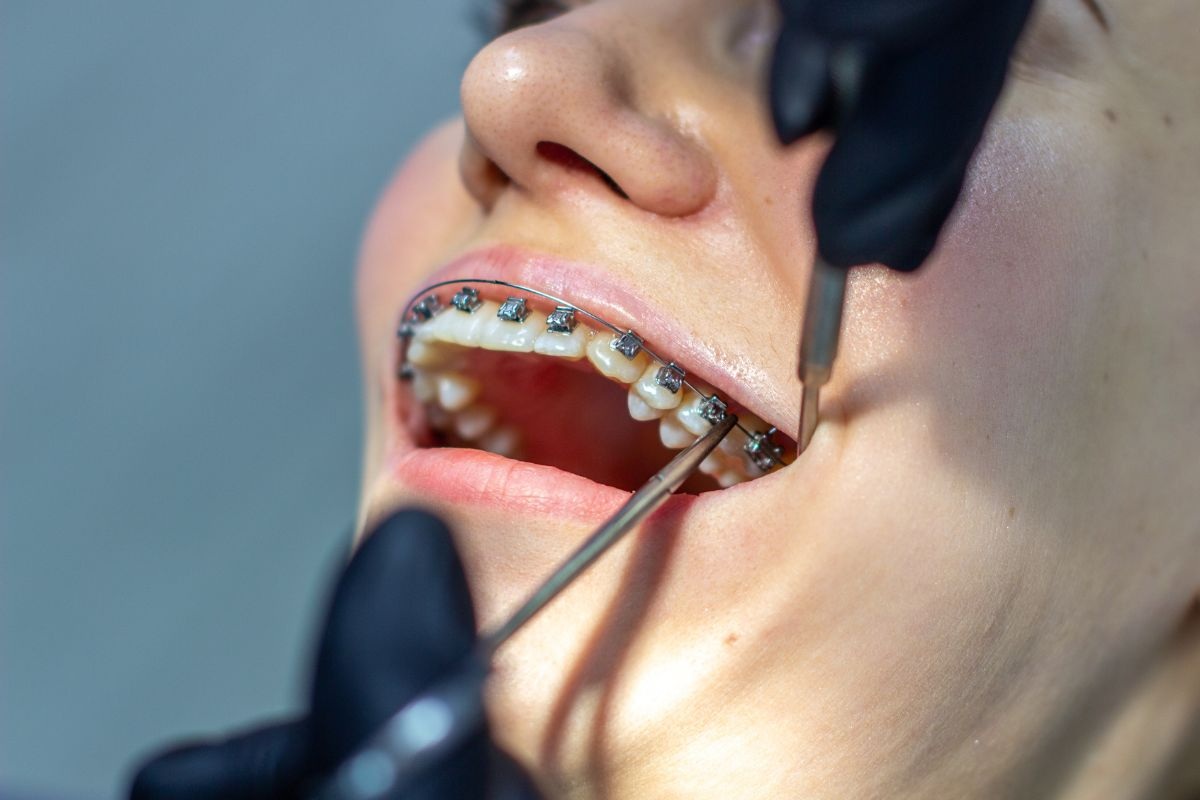
Before diving into how teeth move, it helps to understand what braces are made of. Each component plays a specific role in guiding your smile into alignment.
- Brackets are bonded to each tooth and act as anchors
- Archwires connect the brackets and apply steady pressure
- Elastic bands hold the wire in place and help fine-tune movement
- Additional tools like springs or rubber bands may be used for more complex adjustments
These elements work together to deliver controlled orthodontic force, which is essential for safe and effective tooth movement.
Why Your Teeth Aren’t as Fixed as They Seem
Although teeth feel solid, they are supported by a flexible structure. Each tooth sits in a socket within the jaw and is surrounded by a periodontal ligament, a soft tissue that allows slight movement.
This ligament acts like a shock absorber, responding to pressure from braces. Surrounding bone tissue is also constantly renewing itself. This natural adaptability is what makes tooth alignment treatment possible at any age.
What Really Happens Beneath the Surface
The process that allows braces to work is called bone remodeling, and it’s the key to understanding how teeth shift positions.
Here’s a simplified explanation:
- Braces apply gentle pressure to a tooth
- The bone on one side begins to break down
- New bone forms on the opposite side
- The tooth gradually moves into a new position
This process is slow and carefully controlled. According to the American Dental Association, gradual pressure ensures that teeth move safely without damaging surrounding tissues.
Learn more here: https://www.ada.org
Why Adjustments Are So Important
You’ll typically visit your orthodontic provider every few weeks for adjustments. These visits are essential because they:
- Maintain the right amount of pressure
- Guide teeth in the correct direction
- Keep your treatment progressing steadily
You may feel mild soreness after an adjustment, but that’s completely normal. It’s simply a sign that your teeth are responding to the updated pressure.
How Long Does the Process Take?
Orthodontic treatment isn’t instant, and that’s a good thing. Moving teeth too quickly can cause harm, so the process is intentionally gradual.
On average:
- Teeth move about 1 millimeter per month
- Treatment may take 12 to 24 months, depending on complexity
Factors like age, oral health, and how well you follow instructions can all affect your timeline.
What Types of Issues Can Be Corrected?
Braces are incredibly versatile and can address a wide range of dental concerns, including:
- Crowded or overlapping teeth
- Gaps between teeth
- Bite issues like overbite, underbite, or crossbite
- Jaw alignment problems
A braces specialist will evaluate your specific needs and create a customized plan to guide each tooth into its ideal position.
Your Role in Achieving the Best Results
While braces do most of the work, your daily habits play a big role in your success.
To stay on track:
- Maintain good oral hygiene with braces
- Avoid sticky, hard, or chewy foods
- Wear elastics as instructed
- Keep all scheduled appointments
Consistent care helps prevent delays and ensures the best possible outcome.
Life After Braces: Keeping Your Smile in Place
Once your braces come off, your journey isn’t quite over. Your teeth need time to stabilize in their new positions.
That’s where retainers come in. Wearing your retainer as directed helps:
- Prevent teeth from shifting back
- Maintain your new alignment
- Protect your long-term results
Skipping this step can undo the progress you’ve made, so it’s just as important as the treatment itself.
Conclusion
Braces move teeth through a carefully controlled process that combines gentle pressure with your body’s natural ability to adapt. By understanding how this works, you can feel more confident and prepared throughout your orthodontic journey.
If you have questions or are thinking about improving your smile, the team at Cumming Dental Associates is here to guide you every step of the way. Find us on the Map or schedule your consultation and take the first step toward a healthier, straighter smile.
FAQs
Do braces push teeth into the bone?
No. Braces don’t simply force teeth through solid bone. They apply controlled forces that trigger a biological remodeling response in the tissues and bone supporting the teeth. This allows teeth to gradually change position.
Do braces move the roots too?
Yes. Orthodontic treatment isn’t limited to changing the visible part of a tooth. The tooth and its supporting structures are involved in the movement. That’s one reason orthodontic treatment needs to be planned and monitored carefully.
Can I make my braces work faster?
Don’t try to increase orthodontic force yourself or use unapproved devices to speed up treatment. Tooth movement depends on a controlled biological response, and attempts to accelerate it without professional guidance can be harmful.
Why do my teeth feel loose with braces?
Some patients notice a sensation of movement or slight looseness during orthodontic treatment. Because the tissues and bone around the tooth are adapting to orthodontic forces, this can occur during normal treatment. If a tooth feels unusually loose or you are concerned about a change, contact your orthodontic provider.
Will my teeth stay straight after braces?
They can shift over time. That’s why retainers are an important part of orthodontic treatment. Your orthodontic provider will recommend how and when to wear yours based on your individual situation.