Vickery Village

If you’ve ever felt self-conscious about crooked teeth or an uneven bite. Many people in Cumming and nearby communities such as Alpharetta, Buford, and Suwanee are exploring orthodontic options to improve their smiles and oral health. Today, patients have more choices than ever from classic metal braces to nearly invisible alternatives. Visiting an orthodontist in cumming can help you understand which option suits your needs best. In this guide, we’ll walk you through the differences between traditional and modern braces so you can make a confident, informed decision.
Why Straightening Your Teeth Matters More Than You Think
Orthodontic treatment isn’t just about aesthetics. Properly aligned teeth are easier to clean, which reduces the risk of cavities and gum disease. Bite issues can also lead to jaw discomfort, uneven wear on teeth, and even speech challenges.
Working with a qualified dental professional ensures that your treatment plan improves both function and appearance. A straight smile can enhance confidence while supporting long-term oral health.
A Closer Look at Traditional Braces
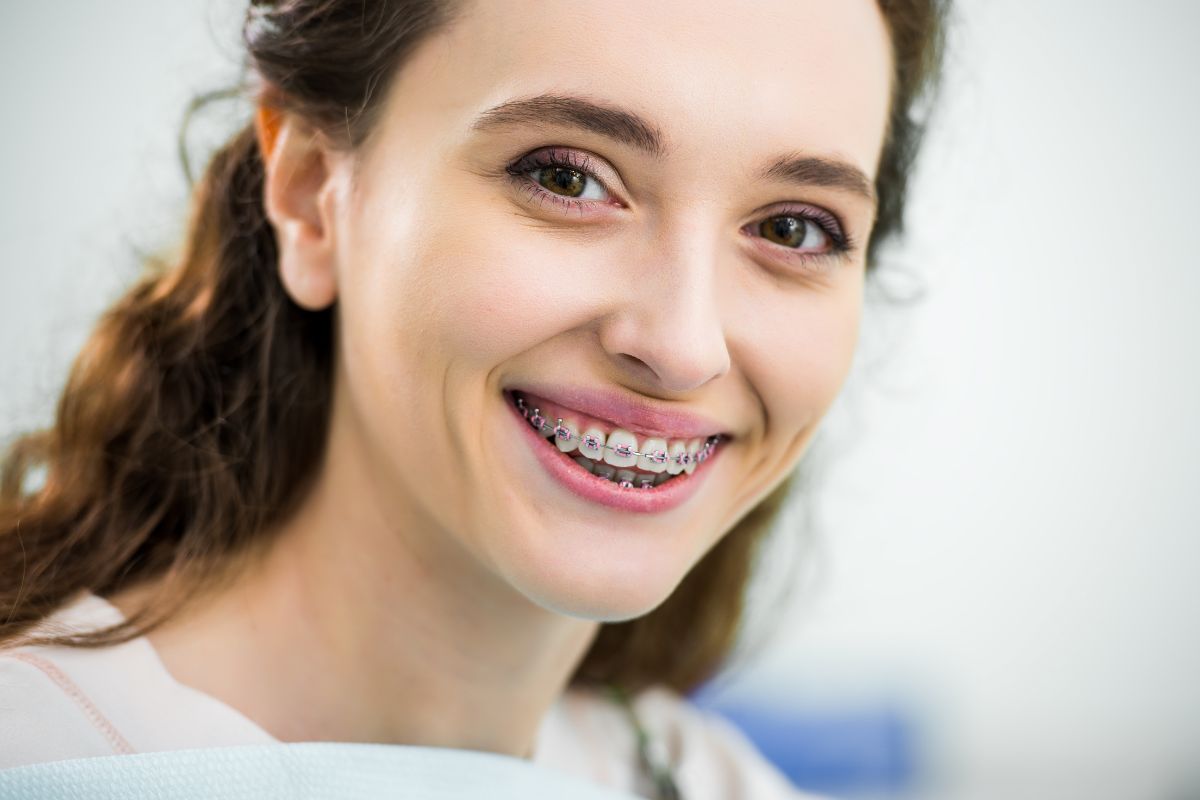
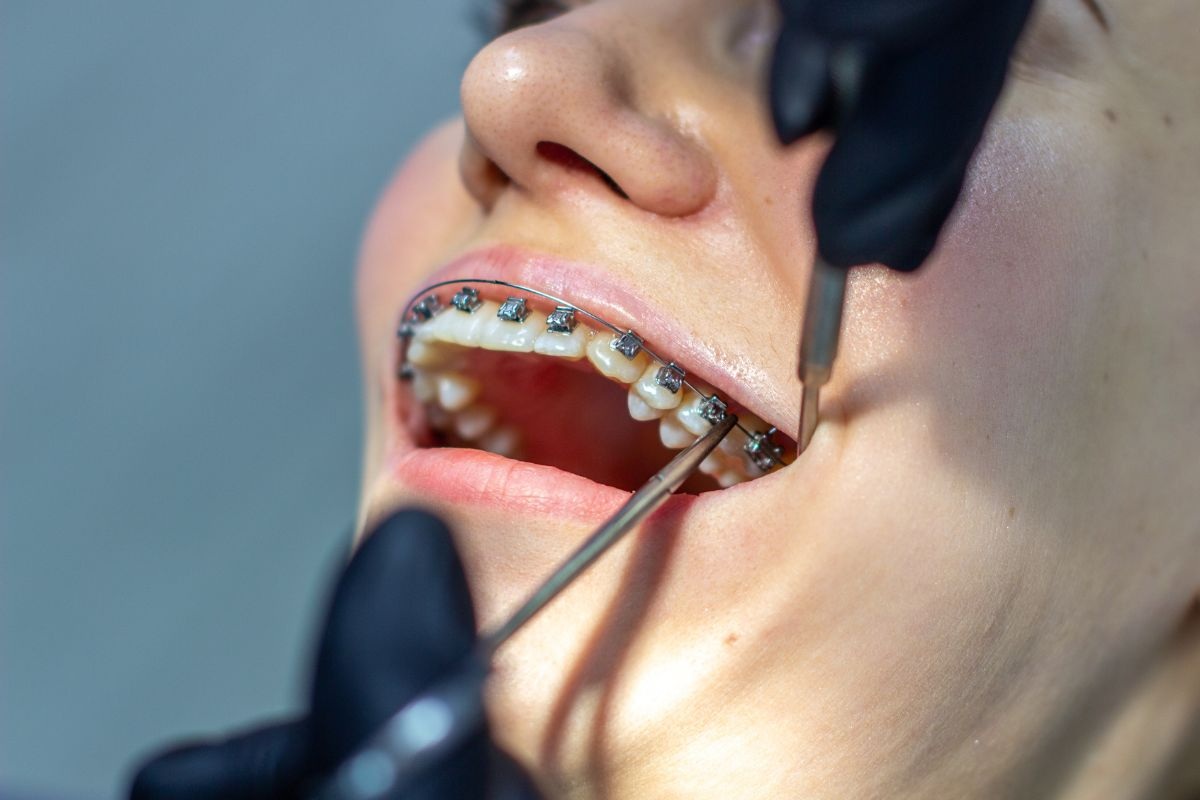
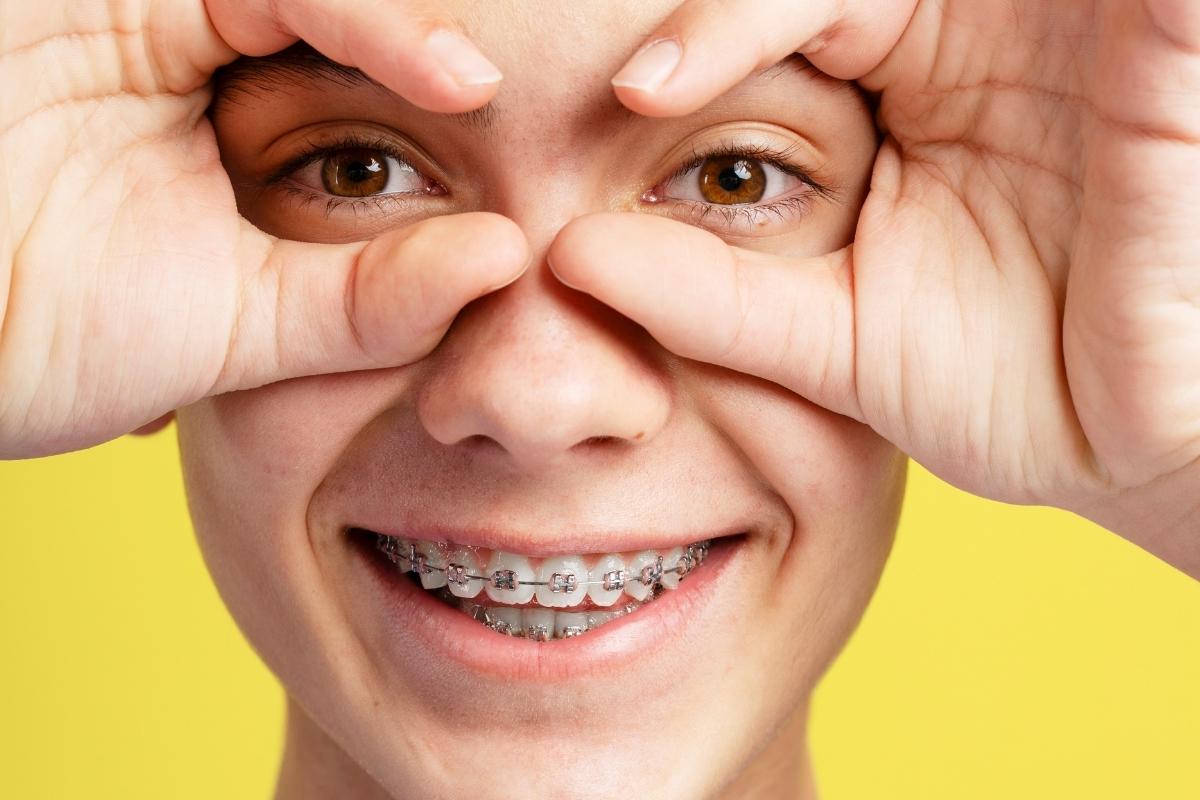
Traditional braces have been used for decades and for good reason. They consist of metal brackets attached to each tooth, connected by wires that are adjusted over time to gradually move teeth into position.
What makes them effective?
- They apply consistent pressure 24/7
- They are highly reliable for complex alignment issues
- They don’t rely on patient compliance (unlike removable options)
Modern versions of these braces are smaller, smoother, and more comfortable than older designs. They remain one of the most trusted solutions for correcting severe crowding, gaps, and bite problems.
Exploring Today’s Modern Orthodontic Options
Advancements in dentistry have introduced several alternatives designed for comfort and discretion. These options are especially appealing to teens and adults who prefer a less noticeable treatment.
Clear Aligners
Clear aligners use a series of custom-made trays to shift teeth gradually. They are removable, making it easier to eat, brush, and floss.
Benefits include:
- Nearly invisible appearance
- Flexible lifestyle compatibility
- Easier oral hygiene routine
However, they must be worn consistently for optimal results.
Ceramic Braces
Ceramic braces function like traditional braces but use tooth-colored brackets that blend with your natural teeth.
Why patients choose them:
- Less noticeable than metal braces
- Effective for moderate to complex cases
They require proper care to prevent staining and maintain their appearance.
Lingual Braces
Placed behind the teeth, lingual braces are hidden from view. They offer a discreet option for those who want effective treatment without visible brackets.
Self-Ligating Braces
These braces use specialized clips instead of elastic bands, reducing friction and often making adjustments more comfortable.
How to Decide Which Option Fits Your Lifestyle
Choosing the right orthodontic treatment depends on several personal factors. There’s no one-size-fits-all solution.
Consider your daily routine
If you prefer flexibility and fewer restrictions, removable aligners may suit your lifestyle. If you want a “set it and forget it” approach, fixed braces may be better.
Think about visibility
For those concerned about appearance in social or professional settings, discreet options like clear aligners or ceramic braces can be appealing.
Evaluate your dental needs
More complex alignment or bite issues often benefit from traditional braces due to their precision and control.
A consultation with a Teeth alignment specialist can help evaluate your specific case and recommend the most effective approach.
What Happens After Your Treatment Ends
Completing orthodontic treatment is a major milestone, but maintaining your results is just as important. After braces or aligners, most patients need to wear a retainer to keep their teeth in their new position.
Without proper retention, teeth can gradually shift back over time. Following your dentist’s instructions ensures your new smile lasts for years to come.
For more information on maintaining oral health after orthodontic treatment, you can visit the American Dental Association:
Conclusion
Choosing between traditional and modern braces comes down to your goals, lifestyle, and dental needs. Both options are effective and can deliver excellent results when guided by an experienced dental professional. Whether you prioritize durability, appearance, or convenience, the right treatment plan is out there for you. If you’re considering improving your smile in Cumming or nearby areas, the team at Cumming Dental Associates is here to help. Contact us today to schedule a consultation and take the first step toward a healthier, more confident smile.
Get directions to our location – https://maps.app.goo.gl/rwgEm98TmcTywGwA9