Vickery Village

When it comes to your smile, knowing who to see and why can make all the difference. While your general dentist plays a vital role in maintaining oral health, there are certain concerns that require a higher level of specialization. If you’ve ever searched for an orthodontist in cumming, you’re likely dealing with alignment or bite issues that go beyond routine dental care. This article breaks down the key services an orthodontic clinic offers that a dentist typically can’t, why those services matter, and how specialized orthodontic care can lead to a healthier and more confident smile, especially for families in and around Cumming.
Understanding the Difference Between a Dentist and an Orthodontist
All orthodontists are dentists, but not all dentists are orthodontists. After dental school, orthodontists complete an additional 2–3 years of specialized training focused entirely on tooth movement, jaw alignment, and facial development. This advanced education allows them to diagnose and treat complex alignment problems that general dentistry doesn’t cover in depth.
A dentist focuses on prevention and repair—think cleanings, fillings, crowns, and gum care. An orthodontist, on the other hand, specializes in correcting how your teeth and jaws fit together for long-term function and aesthetics.
Why Orthodontic Care Goes Beyond General Dentistry
Orthodontists specialize in diagnosing and correcting teeth and jaw alignment issues that routine dental care can’t. Using advanced tools and personalized treatment plans, they improve both bite function and smile appearance for patients of all ages.
Advanced Diagnosis of Alignment and Bite Issues
Orthodontic clinics are uniquely equipped to diagnose malocclusion (improper bite) and structural alignment issues. These include:
- Overbites and underbites
- Crossbites and open bites
- Crowded or widely spaced teeth
- Jaw growth discrepancies
Using digital imaging, 3D scans, and growth assessments, orthodontists can see problems that aren’t always obvious during a routine dental exam. This level of diagnostic precision is essential for creating a treatment plan that actually fixes the root cause—not just the symptoms.
Specialized Treatments Dentists Don’t Provide
Orthodontic clinics offer treatments that require advanced tools and ongoing supervision, such as:
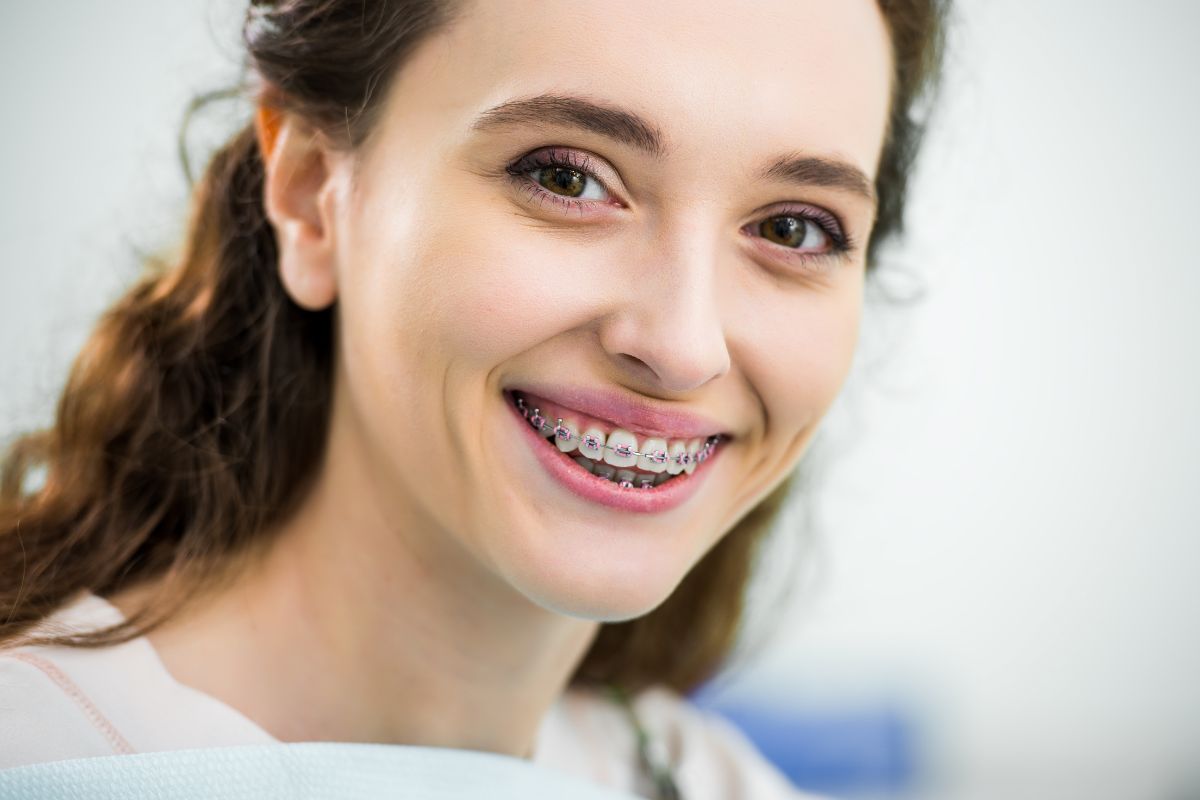
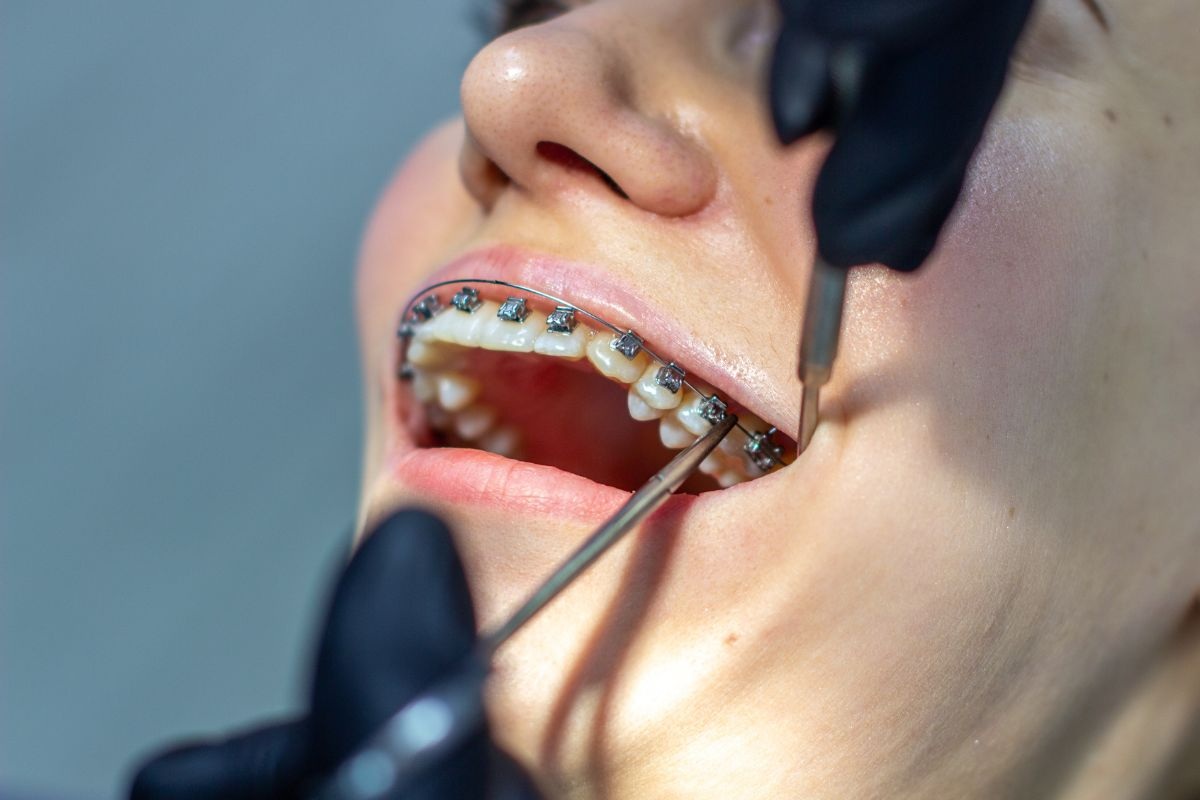
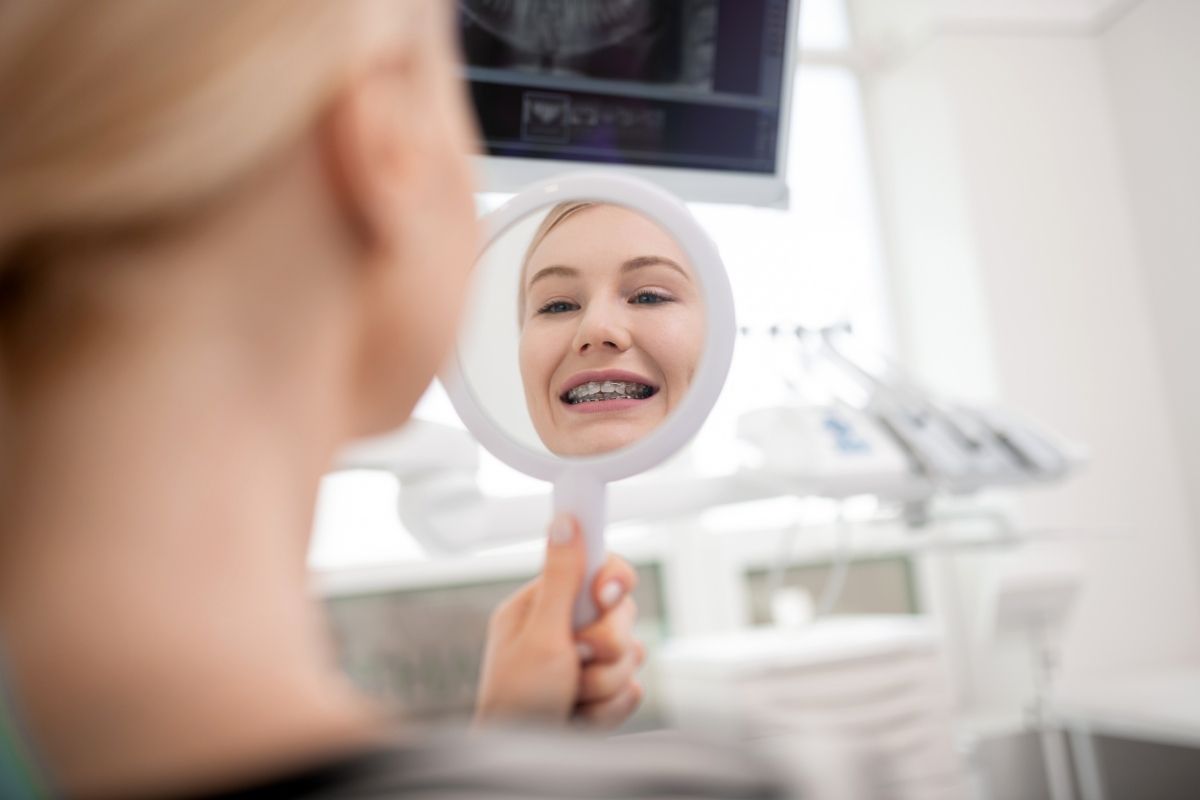
- Braces (metal and ceramic) for precise tooth movement
- Invisalign® clear aligners for discreet, removable correction
- Palatal expanders to widen the upper jaw in growing patients
- Headgear and functional appliances for jaw guidance
- Retainers for long-term stability after treatment. These appliances are designed to apply controlled force over time, something general dental tools simply aren’t built to do safely or effectively.
Bite Correction for Better Function—not Just Looks
Straight teeth aren’t only about aesthetics. A misaligned bite can lead to jaw pain, uneven tooth wear, headaches, and even speech difficulties. Orthodontists focus heavily on bite correction to ensure your teeth come together properly when you chew or speak.
By addressing these issues early—or correcting them in adults—orthodontic care can prevent long-term damage and improve daily comfort. This is one of the biggest functional differences between orthodontic and general dental services.
Orthodontic Care for Children, Teens, and Adults
Orthodontic clinics are trained to manage jaw development in children and teens, guiding growth to reduce the need for invasive treatments later. This is often called interceptive orthodontics.
Adults benefit too. Modern options like clear aligners, short-term orthodontics, and discreet braces make treatment more convenient than ever. Whether you’re a teen in Cumming or an adult commuting from Alpharetta, orthodontic care can be tailored to your lifestyle.
Long-Term, Monitored Treatment Plans
Unlike most dental procedures, orthodontic treatment is a journey. Patients visit regularly over months or years for adjustments and progress checks. This ongoing monitoring ensures teeth move safely and predictably.
Dentists may identify alignment issues, but orthodontists are the specialists who manage the full correction process from start to finish. If you’re considering a Cumming orthodontist, this long-term, personalized approach is a major advantage.
Local Expertise Matters
Choosing a local orthodontic clinic means care that understands the community it serves. Patients from nearby areas like Dawsonville, Suwanee, and Johns Creek often seek orthodontic care in Cumming for convenience, continuity, and personalized attention. Local specialists are also more accessible for follow-ups, emergencies, and ongoing support—something that matters during extended treatment.
If you’ve been searching for an orthodontist, you’re likely ready for care that goes beyond routine dentistry and focuses on lasting results.
Learn how to recognize the key indicators that it’s time to see an orthodontic specialist.
Conclusion
Orthodontic clinics provide specialized services that general dentists simply aren’t trained to deliver, from advanced bite correction to guided jaw development and long-term alignment care. These treatments improve not just how your smile looks, but how it functions for years to come. If you or your child is dealing with crooked teeth, bite issues, or jaw concerns, working with an experienced orthodontic team is a smart next step. Contact us today to schedule your appointment and learn how Cumming Dental associates can help you achieve a healthier, more confident smile.
Visit us at 1200 Bald Ridge Marina Rd, #200, Cumming, GA 30041.
FAQs
Q1: When should I see an orthodontist instead of a dentist?
If you have crooked teeth, bite problems, jaw pain, or spacing issues, an orthodontist is the right specialist to diagnose and treat those concerns.
Q2: Can adults benefit from orthodontic treatment?
Absolutely. Adults can successfully straighten teeth and correct bites using modern options like clear aligners and discreet braces.
Q3: Does orthodontic treatment improve oral health or just appearance?
Both. Proper alignment makes teeth easier to clean, reduces wear, improves chewing, and helps prevent jaw and bite-related problems.