Vickery Village


If you have crooked teeth, crowded teeth, gaps, or a bite that does not feel quite right, you may wonder, how does orthodontic treatment work? The basic goal is straightforward: orthodontic treatment applies controlled pressure to the teeth over time, gradually guiding them into healthier positions.
The process involves more than simply putting on braces. It starts with an evaluation, continues with carefully planned tooth movement and regular monitoring, and usually ends with a retainer to help maintain your new alignment. If you are exploring orthodontic treatment options in Cumming, understanding each stage can make the process feel much more manageable.
Quick Answer
Orthodontic treatment works by applying gentle, controlled forces to teeth so they can gradually move into improved positions. An orthodontist first evaluates your teeth and bite, develops a personalized treatment plan, and then uses appliances such as braces or aligners to guide tooth movement. Once active treatment is complete, retainers help maintain the results.
Step 1: Your Orthodontic Consultation
The first step is an orthodontic evaluation. During this appointment, the dental team looks at your teeth, bite, and overall oral health to determine whether orthodontic treatment may be appropriate.
Your concerns may include:
- Crooked or crowded teeth
- Gaps between teeth
- An overbite
- An underbite
- A crossbite
- Teeth that are difficult to clean because of their position
- Concerns about the appearance or function of your smile
At Cumming Dental Associates, orthodontic consultations are designed to discuss your goals and evaluate your teeth, bite alignment, and jaw structure. The practice provides orthodontic care for children, teens, and adults in Cumming and surrounding Forsyth County communities.
This initial visit is also a good opportunity to ask questions. You should understand what treatment is being recommended, why it may help, what options are available, and what your responsibilities will be during treatment.
Step 2: A Treatment Plan Is Created
Once your orthodontic needs have been evaluated, your provider can develop a treatment plan based on your individual situation.
There is no single approach that works for every patient. Factors such as your age, tooth position, bite, oral health, treatment goals, and the complexity of the alignment issue can all affect the recommended approach.
For some patients, traditional metal braces may be appropriate. Others may prefer a less noticeable option, such as ceramic braces, when clinically suitable.
The goal is not simply to make teeth look straighter. Orthodontic treatment can also address bite alignment and improve how the teeth come together.
Step 3: Your Orthodontic Appliance Is Placed
Once you decide to proceed, your chosen orthodontic appliance is used to begin guiding the teeth.
Traditional Metal Braces
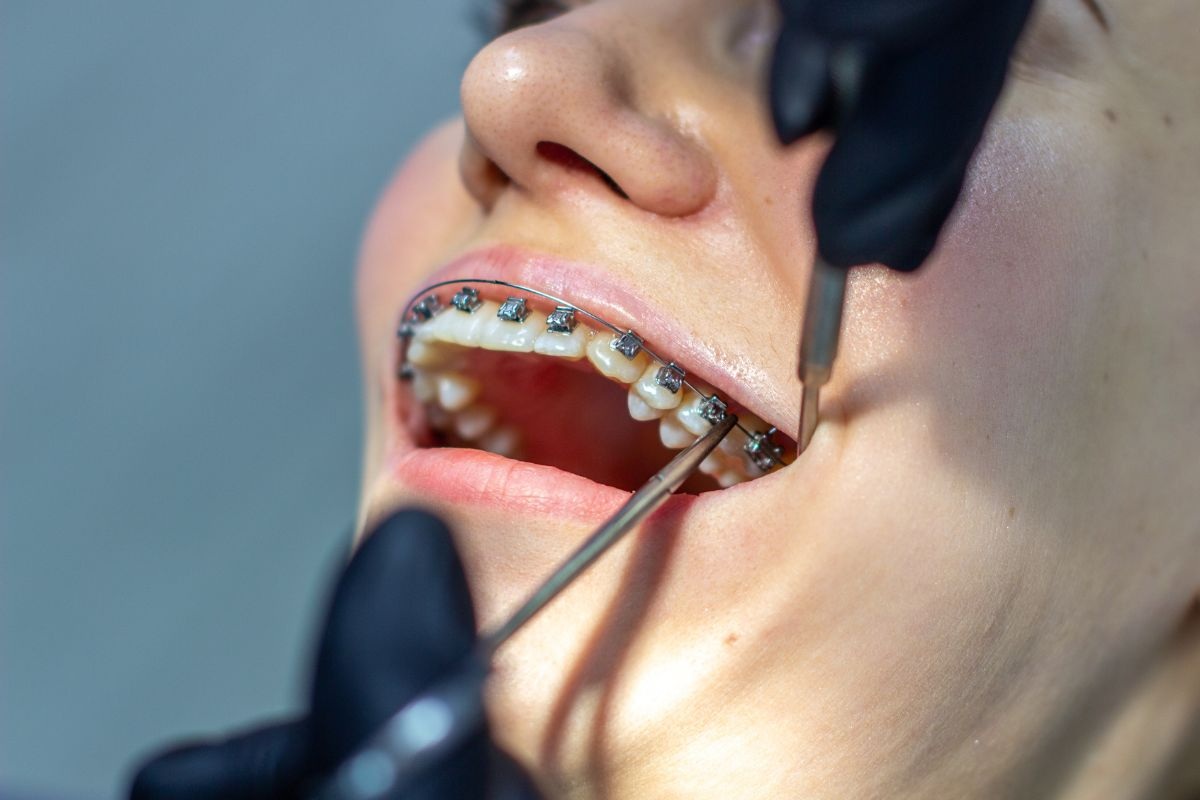
Traditional braces use brackets attached to the teeth and an archwire that connects them. The wire provides the force needed to gradually guide teeth toward their planned positions.
Metal braces remain a commonly used orthodontic option because they can address a broad range of alignment and bite concerns.
Ceramic Braces
Ceramic braces work using a similar basic principle but use clear or tooth-colored brackets that can make them less noticeable.
They may appeal to teens and adults who want a more discreet appearance while undergoing orthodontic treatment.
The right option depends on your individual needs, so an orthodontic consultation is important before deciding which approach is appropriate.
Step 4: Your Teeth Gradually Move
This is the part many patients are most curious about when asking, how does orthodontic treatment work?
Teeth are not permanently fixed in exactly the same position. The tissues and bone surrounding the roots can remodel in response to controlled orthodontic forces. Over time, this allows teeth to move gradually.
The process is intentionally slow. Moving teeth too quickly would not be appropriate, which is why orthodontic treatment generally takes place over a series of appointments rather than being completed in one visit.
You may notice that your teeth look slightly different from one appointment to the next. Some changes can be subtle at first, while others become more noticeable as treatment progresses.
Step 5: Regular Adjustments Keep Treatment Moving
Orthodontic treatment requires ongoing monitoring. Your provider needs to check how your teeth are responding and make adjustments when appropriate.
During these visits, the orthodontic team may:
- Check tooth movement
- Evaluate your bite
- Adjust braces or wires
- Monitor your progress
- Address discomfort or concerns
- Give you instructions for caring for your teeth and orthodontic appliance
Keeping scheduled appointments matters because orthodontic treatment is a process. Missing appointments or not following care instructions can interfere with your planned progress.
Step 6: Taking Care of Your Teeth During Treatment
Good oral hygiene becomes especially important while wearing braces.
Food particles and plaque can collect around brackets and wires, making careful brushing and flossing essential. Your dental team can show you techniques for cleaning around your appliance.
It is also important to follow any dietary recommendations you receive. Hard or sticky foods may damage certain orthodontic appliances, so ask your provider which foods should be limited.
For children and teens, parents can help by keeping track of brushing habits, appointments, and instructions from the orthodontic team.
Step 7: Treatment Is Completed
Eventually, your orthodontist determines that active treatment has reached its planned stage.
That does not necessarily mean your orthodontic journey is finished. Teeth can shift after braces are removed or active orthodontic treatment ends. This is why retention is an important part of maintaining alignment.
Your provider will explain when and how to use your retainer based on your individual treatment plan.
What Does Orthodontic Treatment Feel Like?
It is normal to wonder whether braces will hurt.
Patients can experience some pressure, tenderness, or mild discomfort, particularly after an adjustment or when beginning a new phase of treatment. This is generally temporary.
If you experience significant or persistent pain, damage to your appliance, or another unexpected problem, contact your dental provider for guidance rather than trying to manage the issue yourself.
Can Adults Get Orthodontic Treatment?
Yes. Orthodontic care is not limited to children and teenagers.
Adults may seek treatment because their teeth have shifted over time, they were never treated when they were younger, or they want to address an existing bite or alignment concern.
At Cumming Dental Associates, orthodontic care is available for both children and adults, with treatment options selected according to each patient’s needs.
If you are an adult considering braces, the best first step is an evaluation. Your provider can determine whether orthodontic treatment is appropriate and discuss the options available for your situation.
How Long Does Orthodontic Treatment Take?
There is no universal treatment timeline.
The length of treatment depends on factors such as the type and severity of the alignment problem, the treatment approach, how your teeth respond, and how closely you follow your provider’s instructions.
Instead of relying on a general timeline found online, ask your orthodontist for an estimate based on your specific treatment plan.
When Should You Consider an Orthodontic Evaluation?
You may want to schedule an evaluation if you notice:
- Teeth that are significantly crowded or crooked
- Gaps between teeth
- An overbite, underbite, or crossbite
- Difficulty keeping certain areas clean
- Teeth that do not come together comfortably
- Concerns about your child’s developing bite or tooth alignment
If you are noticing any of these concerns, learning about common orthodontic problems and treatment options can help you better understand what may be addressed through orthodontic care.
Frequently Asked Questions
Does orthodontic treatment move teeth permanently?
Orthodontic treatment can move teeth into planned positions, but teeth may shift after active treatment. Retainers are commonly used to help maintain alignment, according to the orthodontist’s instructions.
Is orthodontic treatment only for cosmetic reasons?
No. Orthodontic treatment can address both the appearance and function of the smile. It may be used to improve tooth alignment and bite problems such as overbites, underbites, and crossbites.
Can children and adults both have orthodontic treatment?
Yes. Children, teenagers, and adults can all benefit from orthodontic evaluation when appropriate. The recommended treatment depends on the individual’s teeth, bite, oral health, and treatment goals.
What happens if I do not wear my braces or appliance as instructed?
Not following your orthodontic provider’s instructions can interfere with treatment progress and may contribute to a longer treatment period. Always follow the specific instructions provided for your appliance.
What should I do if I am unsure which orthodontic option is right for me?
Start with a consultation. An orthodontic professional can evaluate your teeth and bite, discuss your goals, and explain which treatment options may be appropriate for your situation.
Orthodontic Treatment in Cumming, GA
Understanding how orthodontic treatment works can make the decision to pursue care less intimidating. From your first consultation to the final retainer, each stage is designed to gradually improve tooth alignment and, when needed, bite function.
Cumming Dental Associates provides orthodontic care for children and adults in Cumming, GA, including traditional and ceramic braces. The practice’s orthodontic page notes that treatment plans are customized around the patient’s smile goals, comfort, and long-term oral health needs.
If you are considering orthodontic treatment, the next step is a professional evaluation. The team at Cumming Dental Associates can discuss your concerns, examine your smile, and help you understand which options may be appropriate for your needs.
You can also review the practice’s Google Business Profile and see what local patients are saying before scheduling your visit.