Vickery Village


When people think about orthodontic treatment, they often picture straighter teeth and a more confident smile. But the benefits can go beyond appearance. Orthodontic treatment can also address certain bite problems, improve how your teeth come together, and make it easier to maintain good oral hygiene.
If you are considering treatment for yourself or your child, understanding the orthodontic treatment benefits can help you have a more informed conversation with a dental professional. At Cumming Dental Associates, patients in Cumming, can explore their orthodontic options and learn whether treatment may be appropriate for their individual needs. Our professional orthodontic care in Cumming can be tailored to different ages and orthodontic concerns.
Quick Answer
Orthodontic treatment can help straighten teeth and improve certain bite problems, such as crowding, spacing, and misalignment. Better tooth alignment may also make brushing and flossing easier. Depending on the individual’s needs, treatment may contribute to improved chewing function, oral hygiene, and smile appearance.
The specific benefits depend on your teeth, jaw relationship, age, and type of orthodontic problem.
1. A Straighter, More Balanced Smile
One of the most noticeable benefits of orthodontic treatment is improved tooth alignment.
Teeth can become crowded, rotated, spaced apart, or positioned unevenly. Braces or other orthodontic appliances can gradually guide teeth toward a more appropriate position.
For many patients, this can make their smile look more balanced. It may also address concerns that have bothered them for years, whether those concerns involve a few crooked teeth or more significant alignment issues.
However, orthodontic treatment is not simply about creating a picture-perfect smile. Proper treatment considers how the teeth fit together and how they function.
2. Improving the Way Your Bite Fits Together
Your bite describes how your upper and lower teeth come together when your mouth closes.
When teeth or jaws do not align properly, a person may have an overbite, underbite, crossbite, open bite, or other type of malocclusion. Some bite differences are minor, while others may interfere with normal dental function.
Orthodontic treatment may help improve tooth positioning and the relationship between the upper and lower teeth.
A more balanced bite can make everyday activities such as biting and chewing more comfortable for some patients. Whether orthodontic treatment is appropriate depends on the specific type and severity of the bite problem.
3. Making Daily Oral Hygiene Easier
Crowded or overlapping teeth can sometimes make brushing and flossing more difficult.
When teeth are properly aligned, there may be fewer hard-to-reach areas between and around them. This can make daily oral hygiene more manageable.
It is important to remember that orthodontic treatment itself does not prevent cavities or gum disease. Patients still need consistent brushing, flossing, professional cleanings, and other preventive care recommended by their dental team.
During orthodontic treatment, keeping teeth and gums clean is especially important because brackets, wires, or other appliances can create additional areas where food and plaque can collect.
4. Supporting Better Long-Term Oral Function
Teeth are designed to work together. They help us bite, chew, and speak, and their positioning can affect how those functions are performed.
When teeth are significantly misaligned, orthodontic treatment may help create a more functional arrangement.
This does not mean every person needs orthodontic treatment to maintain good oral health. Mild variations in tooth position can be completely manageable. An orthodontic evaluation can help determine whether a particular alignment or bite concern actually requires treatment.
5. Addressing Crowding and Spacing
Crowding occurs when there is not enough room for teeth to fit comfortably within the dental arch. Teeth may overlap, rotate, or appear pushed out of position.
Spacing is the opposite problem, where noticeable gaps occur between teeth.
Both concerns can affect appearance and, depending on the situation, may affect how the teeth function or how easily certain areas can be cleaned.
Orthodontic treatment can be used to address many types of spacing and crowding concerns. The appropriate approach depends on factors such as the patient’s age, tooth development, jaw growth, and overall dental health.
6. Orthodontic Treatment Can Be Appropriate at Different Ages
Orthodontic care is not limited to teenagers.
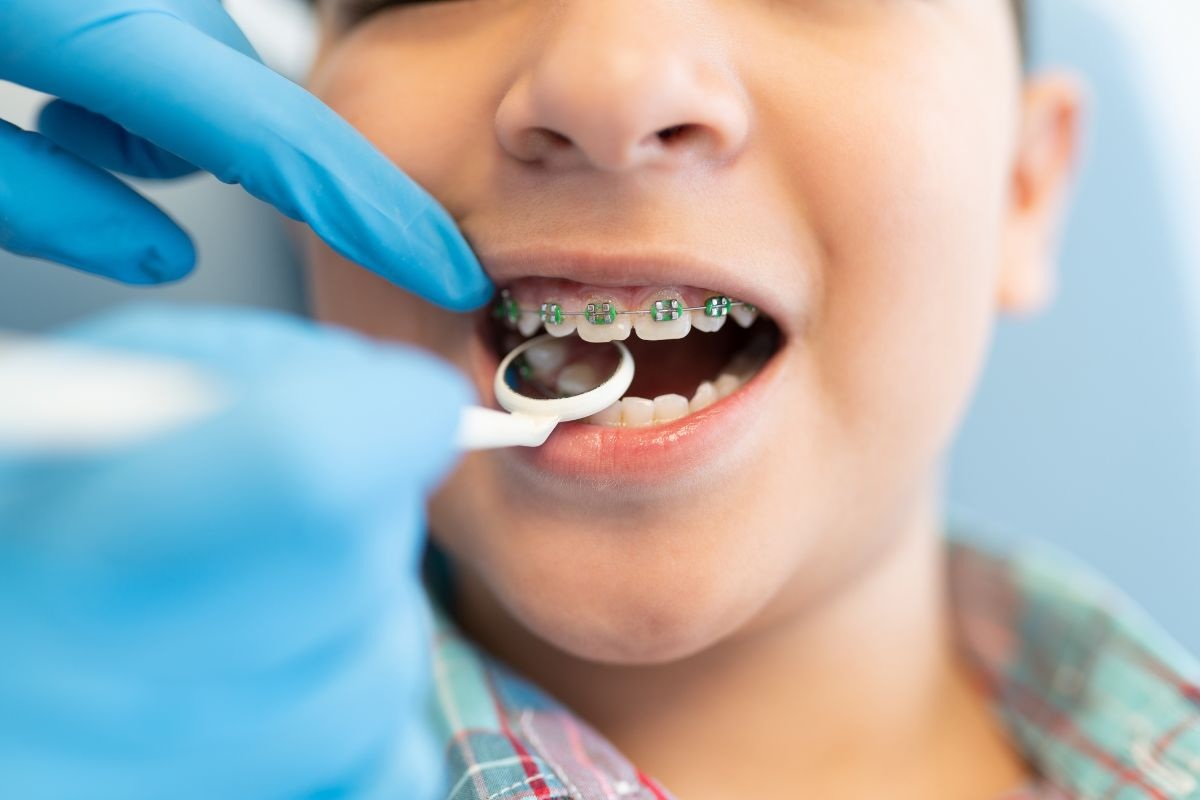
Children may be evaluated while their teeth and jaws are still developing. Early evaluation does not necessarily mean a child will immediately need braces or another appliance. Instead, an evaluation can help identify developing concerns and determine the most appropriate timing for treatment.
Adults can also benefit from orthodontic treatment. Some adults seek care because their teeth have shifted over time, while others have never had orthodontic treatment and want to address longstanding alignment or bite concerns.
The best treatment timing varies from person to person.
7. Understanding Your Treatment Options
Orthodontic treatment can involve different approaches depending on the patient’s needs.
Traditional Braces
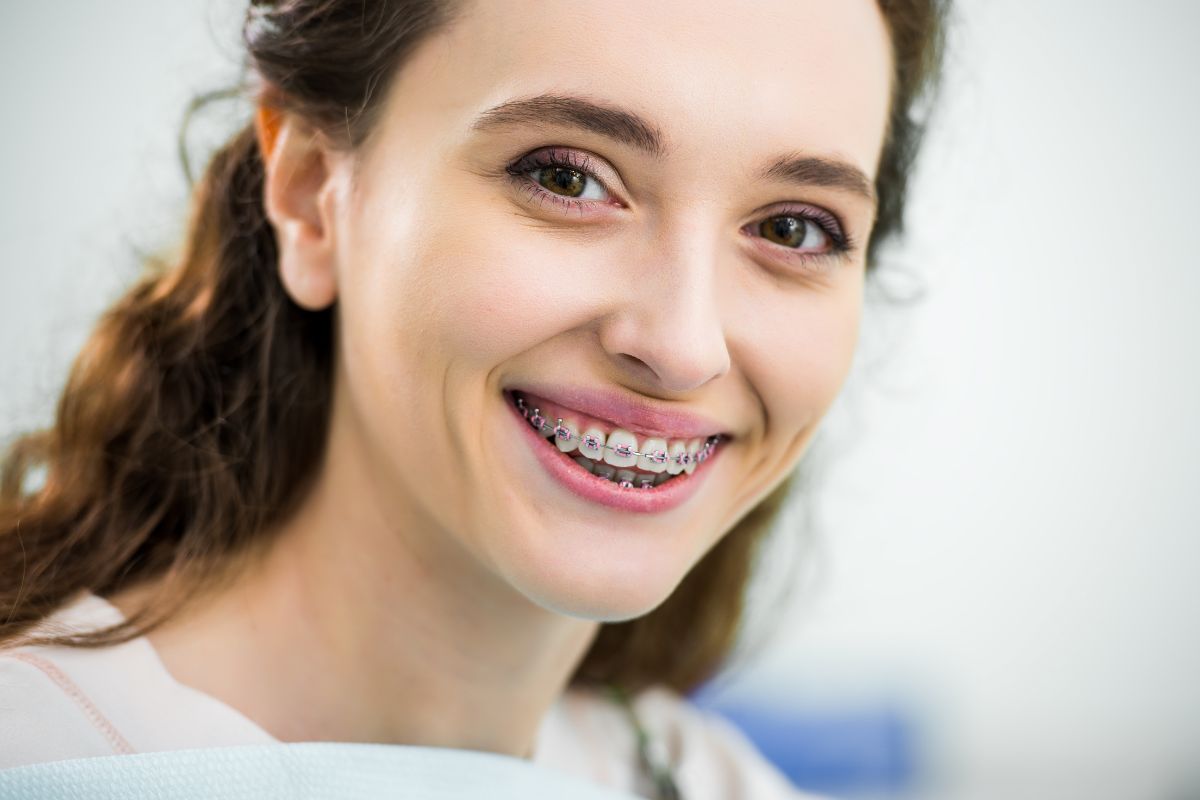
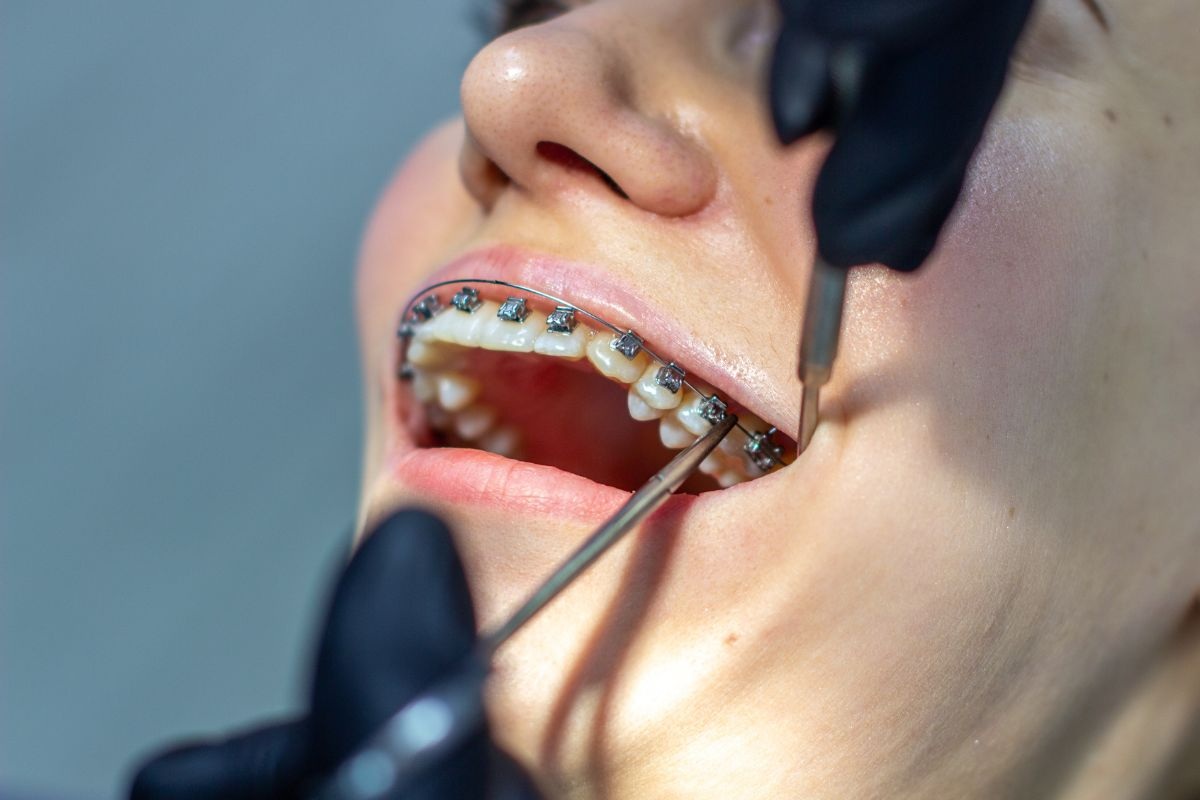
Traditional braces use brackets and wires to apply controlled forces to the teeth. They remain a common orthodontic option for children, teenagers, and adults.
Other Orthodontic Appliances
Depending on the situation, an orthodontic plan may involve other appliances designed to guide tooth movement or influence dental and jaw relationships.
The right choice is not determined by appearance alone. A dental professional will consider the patient’s orthodontic problem, treatment goals, oral health, age, and other factors before recommending an approach.
If you are interested in understanding the differences between common orthodontic concerns and available treatments, exploring common orthodontic problems and treatment options can provide useful background before an evaluation.
What Should You Expect From an Orthodontic Evaluation?
An orthodontic evaluation is an opportunity to understand what is happening with your teeth and bite before deciding whether treatment is necessary.
Depending on the individual case, the evaluation may involve:
- Reviewing your dental and orthodontic history
- Examining tooth alignment
- Assessing how your upper and lower teeth fit together
- Looking at jaw and facial relationships
- Taking dental images or other records when appropriate
- Discussing treatment options and expected considerations
- Answering questions about treatment time, appliances, and oral hygiene
Your treatment plan should be based on your individual dental needs rather than simply choosing the most popular orthodontic option.
Common Questions Patients Have About Orthodontic Treatment
Does orthodontic treatment only improve appearance?
No. Improving the appearance of the smile is an important reason many people pursue orthodontic care, but treatment can also address certain tooth and bite alignment problems. The functional benefits depend on the individual’s condition and treatment plan.
Is orthodontic treatment only for children and teenagers?
No. Adults can receive orthodontic treatment as well. Treatment options and timing vary depending on the patient’s oral health, tooth position, bite, and treatment goals.
Can orthodontic treatment fix every bite problem?
Not necessarily. Orthodontic treatment can address many types of tooth and bite misalignment, but complex cases may require a different or combined approach. A professional evaluation is needed to determine what treatment is appropriate.
How long does orthodontic treatment take?
Treatment time varies considerably. It can depend on the type and severity of the orthodontic problem, the treatment approach, the patient’s age, and how consistently treatment instructions are followed. Your orthodontic provider can give you a more individualized estimate after an evaluation.
Is orthodontic treatment painful?
Patients may experience temporary pressure, tenderness, or discomfort after certain orthodontic adjustments or when an appliance is introduced. The level of discomfort varies from person to person. Your dental professional can explain what to expect and how to manage temporary soreness.
Choosing Orthodontic Care in Cumming
If you are noticing crowded teeth, spacing, an uneven bite, or other alignment concerns, you do not have to determine on your own whether orthodontic treatment is necessary.
A professional evaluation can help identify the underlying concern and explain whether orthodontic treatment may be beneficial. For families and adults in Cumming, GA, having access to dental and orthodontic care can make it easier to discuss treatment within the context of overall oral health.
Cumming Dental Associates provides dental care for patients in the local community and offers orthodontic services for appropriate patients. Whether you are considering treatment for yourself or your child, the first step is understanding your individual needs and available options.
Frequently Asked Questions
What is the biggest benefit of orthodontic treatment?
There is no single benefit that applies equally to everyone. Orthodontic treatment can improve tooth alignment, address certain bite problems, and enhance smile appearance. For some patients, easier oral hygiene and improved dental function may also be important benefits.
When should someone see an orthodontic professional?
An evaluation may be appropriate when there are concerns about crowded or crooked teeth, significant spacing, an uneven bite, or other developing alignment issues. Children can also be evaluated as their teeth and jaws develop, while adults can seek orthodontic care at any age.
Can orthodontic treatment improve chewing?
In some cases, improving tooth and bite alignment can support more effective dental function, including biting and chewing. However, the potential benefit depends on the individual’s specific orthodontic condition.
Do adults benefit from orthodontic treatment?
Yes. Adults can receive orthodontic treatment for a range of alignment and bite concerns. Treatment recommendations depend on existing dental health, tooth position, bite relationships, and individual goals.
How do I know if I need orthodontic treatment?
The best way to find out is through a professional evaluation. A dentist or orthodontic professional can assess your teeth and bite and explain whether treatment is appropriate, what options may be available, and what you can expect from the process.
Conclusion
The benefits of orthodontic treatment can extend beyond having straighter teeth. Depending on your individual needs, treatment may improve tooth alignment, address certain bite problems, make oral hygiene easier, and create a more balanced smile.
If you live in Cumming, GA, and are wondering whether orthodontic treatment could be right for you or your child, consider scheduling an evaluation with Cumming Dental Associates. A personalized assessment can help you understand your options and make a decision based on your dental needs rather than assumptions about what treatment you may require.