Vickery Village


Have you ever considered straightening your teeth but wondered whether you are too old for braces? Perhaps you had orthodontic treatment as a teenager but your teeth have shifted over time. Or maybe you never had the opportunity to correct your smile when you were younger.
The good news is that orthodontic treatment isn’t limited to children and teenagers. Many adults choose to improve their smiles, correct bite problems, and make their teeth easier to maintain. With modern treatment options, getting started can be more convenient and less noticeable than you might expect. If you’re exploring braces for adults, learning about adult orthodontic treatment in Cumming is a helpful first step toward understanding which options may suit your needs.
At Cumming Dental Associates, adults can explore orthodontic care based on their dental health, alignment concerns, and personal smile goals.
Can Adults Get Braces at Any Age?
Absolutely! There is no specific age limit for orthodontic treatment. Adults in their 20s, 30s, 40s, 50s, and beyond may be candidates for braces.
The ability to move teeth doesn’t disappear when you reach adulthood. Teeth can still respond to gentle, controlled orthodontic pressure. However, adult treatment requires careful planning because the jawbones have finished growing.
An orthodontic evaluation helps determine whether your teeth, gums, and supporting bone are healthy enough for treatment.
According to the American Association of Orthodontists, age alone is rarely a deciding factor when considering orthodontic treatment. Your individual dental health and treatment needs matter much more.
Why Do Adults Consider Getting Braces?
People choose orthodontic treatment for different reasons. While improving the appearance of a smile is a common motivation, properly aligned teeth can also support better bite function and oral hygiene.
Some common reasons adults consider braces include:
1. Crowded or Crooked Teeth
When teeth overlap or sit too closely together, cleaning between them can become challenging. Food particles and plaque may collect in difficult-to-reach areas, making oral hygiene more difficult.
Braces can gradually reposition crowded teeth, creating better alignment.
2. Gaps Between Teeth
Spaces between teeth may affect the appearance of your smile and sometimes allow food to become trapped. Orthodontic treatment can help close appropriate spaces and improve overall alignment.
3. Bite Problems
An overbite, underbite, crossbite, or open bite occurs when the upper and lower teeth do not meet correctly.
Depending on the problem, orthodontic treatment may help improve how your teeth fit together when biting and chewing.
4. Teeth That Have Shifted Over Time
Even if you had braces as a teenager, your teeth can move as you get older. Not wearing retainers as recommended, natural changes, and other dental factors may contribute to shifting.
Adult orthodontic treatment can help address these changes after an appropriate evaluation.
What Types of Braces Are Available for Adults?
One concern adults often have is whether they must wear noticeable metal braces. Fortunately, there are several orthodontic options available today.
The most appropriate choice depends on your alignment concerns, treatment goals, dental health, and lifestyle.
Traditional Metal Braces
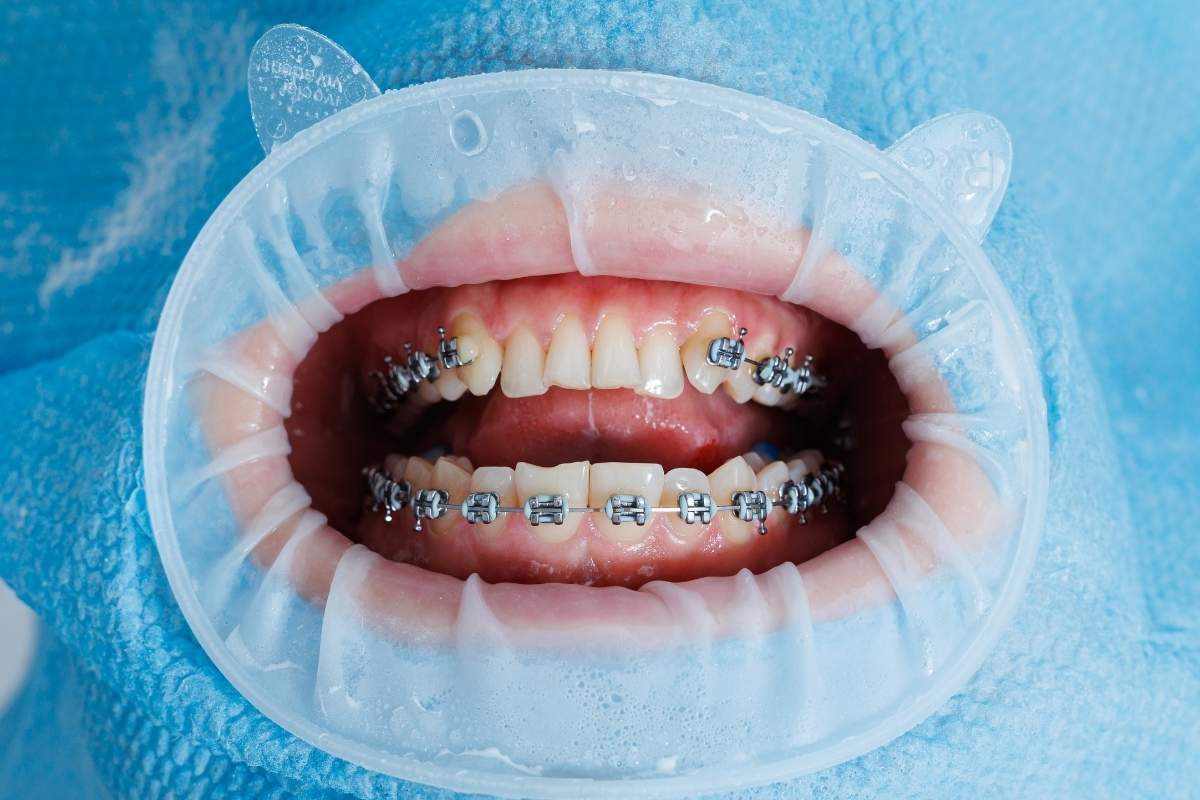
These braces use metal brackets attached to the teeth and connected by wires. They gradually apply controlled pressure to move teeth into better positions. They can address a wide range of alignment and bite concerns.
Ceramic Braces
Ceramic braces work similarly to traditional braces but use tooth-colored or clear brackets. They are less noticeable, making them appealing to adults who prefer a more subtle appearance.
Self-Ligating Braces
These braces use a specialized clip or mechanism to hold the orthodontic wire rather than traditional elastic ties. Their suitability depends on the individual treatment plan.
Lingual Braces
Lingual braces are attached to the back surfaces of the teeth, making them less visible from the front. However, they may require an adjustment period and are not suitable for every case.
Clear Aligners
Clear aligners are removable, transparent trays designed to move teeth gradually. They can be convenient for adults who prefer an option that is less noticeable and can be removed for meals and oral hygiene.
Not every orthodontic problem can be treated with every appliance. A dental professional can help you understand which options are appropriate for your situation.
What Should You Know Before Starting Adult Orthodontic Treatment?
Before getting braces, it is important to understand what treatment involves and how it may fit into your everyday routine.
Your Teeth and Gums Must Be Healthy
Healthy gums and supporting bone are important for successful orthodontic treatment. If you have untreated cavities, gum inflammation, or periodontal disease, these concerns may need attention before braces are placed.
Your dental provider will evaluate your oral health and recommend any necessary preliminary care.
Treatment Takes Time
Adult orthodontic treatment is a gradual process. Depending on the complexity of your alignment and bite concerns, treatment may take approximately 12 to 36 months.
Understanding how braces gradually move teeth can help you learn how orthodontic pressure works and why teeth need time to reach their new positions.
Some cases may require less or more time. Your provider can give you a personalized estimate after examining your teeth.
You May Experience Temporary Soreness
It is normal to experience some pressure or mild soreness when braces are first placed or adjusted. This usually improves as your mouth becomes accustomed to the appliance.
Your dental provider can recommend appropriate ways to manage temporary discomfort.
Oral Hygiene Requires Extra Attention
Braces create additional spaces where food particles and plaque can collect. Maintaining a consistent cleaning routine is essential throughout treatment.
Brush carefully around brackets and wires, clean between your teeth using appropriate flossing tools, and attend recommended dental checkups.
Retainers Are Important After Treatment
Finishing orthodontic treatment doesn’t mean your teeth will automatically stay in their new positions.
Retainers help maintain the results by preventing unwanted tooth movement. Follow your provider’s instructions regarding how often and how long to wear them.
What Happens During Your First Braces Consultation?
If you’re considering braces, your first appointment is an opportunity to understand your options before making a decision.
A typical orthodontic evaluation may include:
- Dental examination: Your provider checks your teeth, gums, bite, and overall oral health.
- Alignment assessment: They identify crowding, spacing, bite concerns, or other orthodontic issues.
- Diagnostic records: Photographs, dental X-rays, or other records may be recommended to understand your teeth and jaw structure.
- Treatment discussion: Your provider explains suitable orthodontic options and their advantages.
- Personalized treatment plan: You receive information about the expected treatment timeline, appointments, and costs.
This consultation also gives you an opportunity to discuss concerns about appearance, comfort, daily maintenance, and scheduling.
Are Braces Worth Considering as an Adult?
For many adults, orthodontic treatment can offer benefits beyond achieving a straighter smile.
Here are a few reasons to consider it:
- Improved oral hygiene: Properly aligned teeth may be easier to brush and floss.
- Better bite alignment: Treatment may help correct certain bite problems that interfere with comfortable chewing.
- Improved smile appearance: Addressing crooked or crowded teeth can help you feel more comfortable showing your smile.
- Reduced food trapping: Correcting certain alignment problems may make it easier to clean areas where food frequently becomes trapped.
- Long-term dental maintenance: Proper alignment can support your overall oral hygiene routine.
However, braces aren’t necessary for every adult with crooked teeth. An evaluation can help determine whether the potential benefits justify treatment in your particular case.
Where Can Adults Explore Braces in Cumming?
Finding an appropriate dental provider is an important part of your orthodontic journey. Adults should look for a practice that takes time to understand their concerns, evaluates their oral health, and explains treatment choices clearly.
At Cumming Dental Associates, orthodontic care is available for adults as well as children and teenagers. The practice offers different orthodontic options, including traditional metal braces, ceramic braces, self-ligating braces, lingual braces, and clear options.
The practice has served the Cumming community for over 30 years, with locations at Bald Ridge Marina Road and Vickery Village.
Whether you’re concerned about crowded teeth, gaps, or an uneven bite, a consultation can help you understand your options and determine the next steps.
You can also see our location and patient reviews on Google to find Cumming Dental Associates and learn more about the practice.
Frequently Asked Questions About Braces for Adults
1. Is 40 or 50 too old to get braces?
No. Adults in their 40s, 50s, and older may still be candidates for orthodontic treatment. Age alone does not determine eligibility. The condition of your teeth, gums, and supporting bone is more important when evaluating treatment suitability.
2. How long do adults usually need to wear braces?
Adult orthodontic treatment commonly takes around 12 to 36 months, although the duration varies. Minor alignment concerns may require less time, while more complex bite problems can take longer. Your provider can estimate the timeline after an examination.
3. Are clear braces better than metal braces for adults?
Neither option is automatically better for everyone. Metal braces can address a broad range of orthodontic problems, while ceramic braces offer a less noticeable appearance. The best choice depends on your dental needs, preferences, and treatment goals.
4. Do adult braces hurt?
You may experience pressure, tenderness, or mild soreness after braces are placed or adjusted. This discomfort is generally temporary and tends to improve as your mouth adapts. Contact your dental provider if you experience persistent or severe discomfort.
5. Can I get braces if I have missing teeth or crowns?
Possibly. Having crowns, fillings, or missing teeth does not automatically rule out orthodontic treatment. However, these conditions can affect treatment planning. Your provider will evaluate your dental condition and determine whether braces are appropriate.
Conclusion: It’s Never Too Late to Improve Your Smile
You don’t have to be a teenager to benefit from orthodontic treatment. Whether you have crowded teeth, gaps, bite concerns, or teeth that have shifted over the years, braces may help you achieve a healthier and more balanced smile.
The most important step is understanding your dental needs and exploring treatment options with a qualified dental professional.
If you’re considering braces for adults in Cumming, Cumming Dental Associates can help you explore available orthodontic options and determine whether treatment is right for you.
Ready to take the next step? Contact Cumming Dental Associates to schedule a consultation and discuss your adult orthodontic treatment options.