Vickery Village

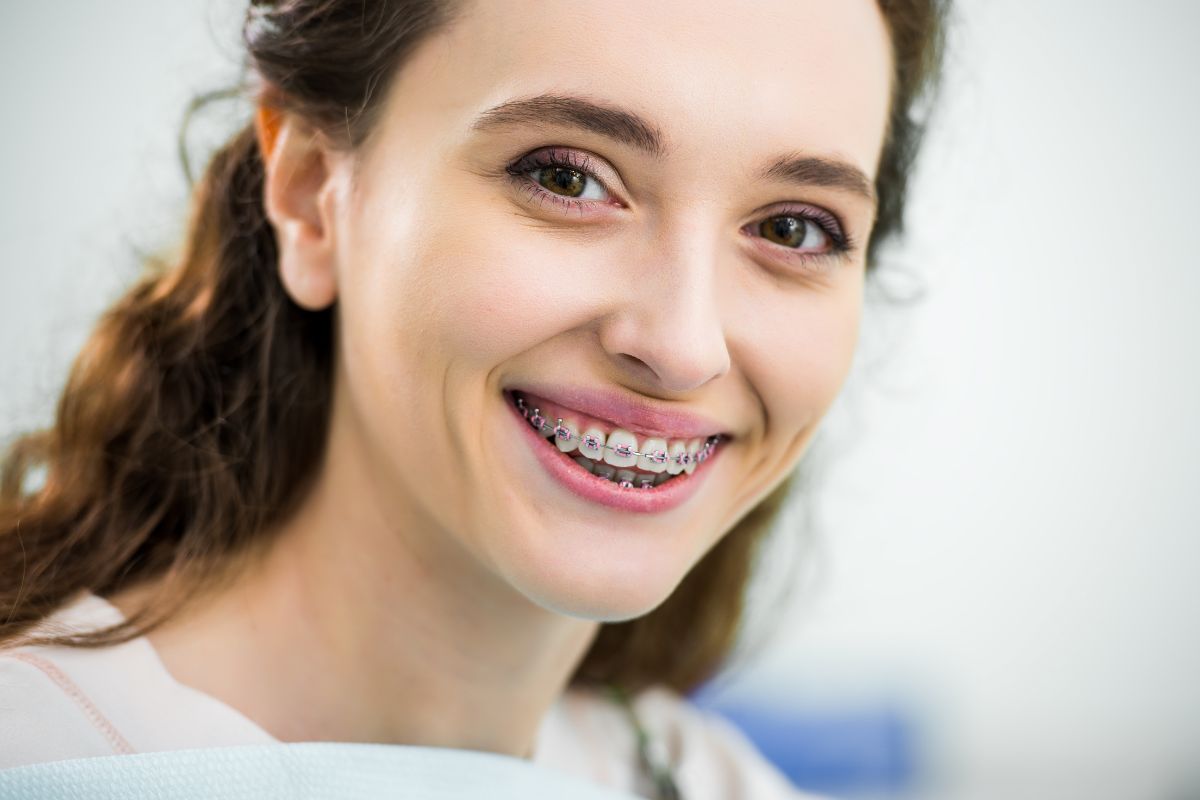
If you’ve noticed crooked teeth, bite issues, or gaps in your smile, you’re not alone. Many children, teens, and adults experience orthodontic problems that can affect both appearance and oral health. Fortunately, modern orthodontic care offers comfortable and effective solutions for patients of all ages.
At Cumming Dental Associates in Cumming, GA, we help patients understand their orthodontic concerns and create treatment plans designed to fit their needs. Whether you’re considering braces or clear aligners, getting the right diagnosis early can make treatment easier and more effective. If you’re looking for personalized orthodontic treatment in Cumming, scheduling an evaluation is the first step toward a healthier, more confident smile.
Quick Answer
Orthodontic problems include crooked teeth, overcrowding, spacing, overbites, underbites, crossbites, and open bites. These conditions can affect chewing, speech, oral hygiene, and long-term dental health. Treatment options such as braces, clear aligners, retainers, and early orthodontic intervention help create healthier, properly aligned smiles.
What Are Orthodontic Problems?
Orthodontic problems are issues involving the alignment of teeth or the position of the jaws. While many people think orthodontics is only about straightening teeth, proper alignment also supports healthy chewing, speaking, and easier brushing and flossing.
Some orthodontic conditions develop naturally as children grow, while others result from genetics, thumb sucking, injuries, or early loss of baby teeth.
Without treatment, some alignment problems may become more difficult to correct over time.
Common Orthodontic Problems
Crowded Teeth
Crowding happens when there isn’t enough room in the jaw for all teeth to fit properly.
Signs include:
- Teeth overlapping each other
- Difficulty flossing
- Increased risk of plaque buildup
- Higher chance of tooth decay and gum disease
Crowded teeth are one of the most common reasons patients seek orthodontic treatment.
Gaps Between Teeth
Extra space between teeth may develop because of jaw size, missing teeth, or natural spacing.
Large gaps can:
- Affect your smile
- Allow food to become trapped
- Change your bite over time
Orthodontic treatment can often close these spaces while improving overall function.
Overbite
An overbite occurs when the upper front teeth extend too far over the lower teeth.
A severe overbite may cause:
- Excessive wear on teeth
- Jaw discomfort
- Difficulty biting into foods
- Speech concerns
Underbite
With an underbite, the lower teeth sit in front of the upper teeth.
This condition may lead to:
- Trouble chewing
- Jaw strain
- Uneven tooth wear
- Facial imbalance
Crossbite
A crossbite happens when some upper teeth fit inside the lower teeth instead of outside.
Without treatment, it may contribute to:
- Gum recession
- Uneven tooth wear
- Jaw shifting
- Tooth fractures
Open Bite
An open bite means the upper and lower front teeth don’t touch when the mouth closes.
Patients with an open bite may have difficulty:
- Biting foods
- Speaking clearly
- Closing their lips comfortably
What Causes Orthodontic Problems?
Several factors contribute to orthodontic issues.
Common causes include:
- Genetics
- Thumb sucking or prolonged pacifier use
- Mouth breathing
- Early or late loss of baby teeth
- Jaw growth differences
- Dental injuries
Early orthodontic evaluations can identify many of these concerns before they become more complicated.
Treatment Options for Orthodontic Problems
Traditional Braces
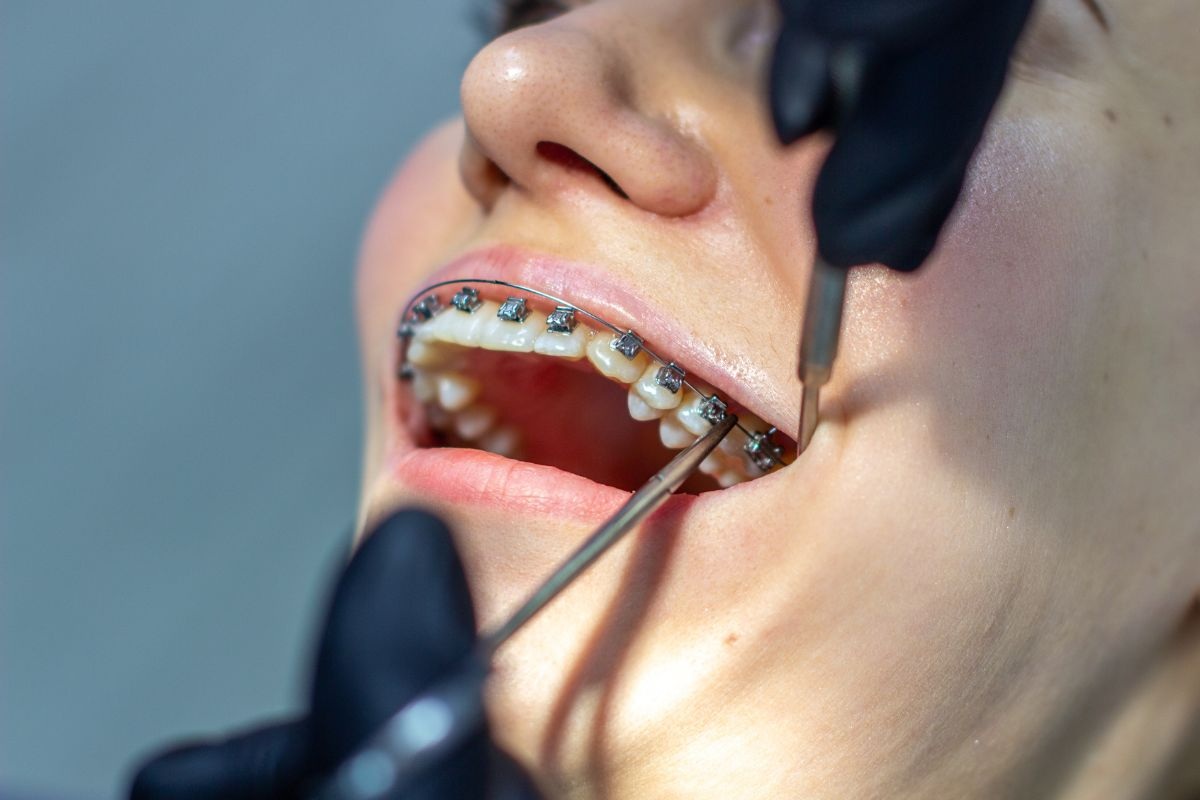
Metal braces remain one of the most effective treatments for correcting complex orthodontic issues.
They can successfully treat:
- Severe crowding
- Bite problems
- Rotated teeth
- Significant spacing
Today’s braces are smaller and more comfortable than those used years ago.
Clear Aligners
Clear aligners are removable trays that gradually move teeth into better positions.
Benefits include:
- Nearly invisible appearance
- Easier brushing and flossing
- No food restrictions
- Comfortable fit
They’re often ideal for mild to moderate alignment concerns.
Early Orthodontic Treatment
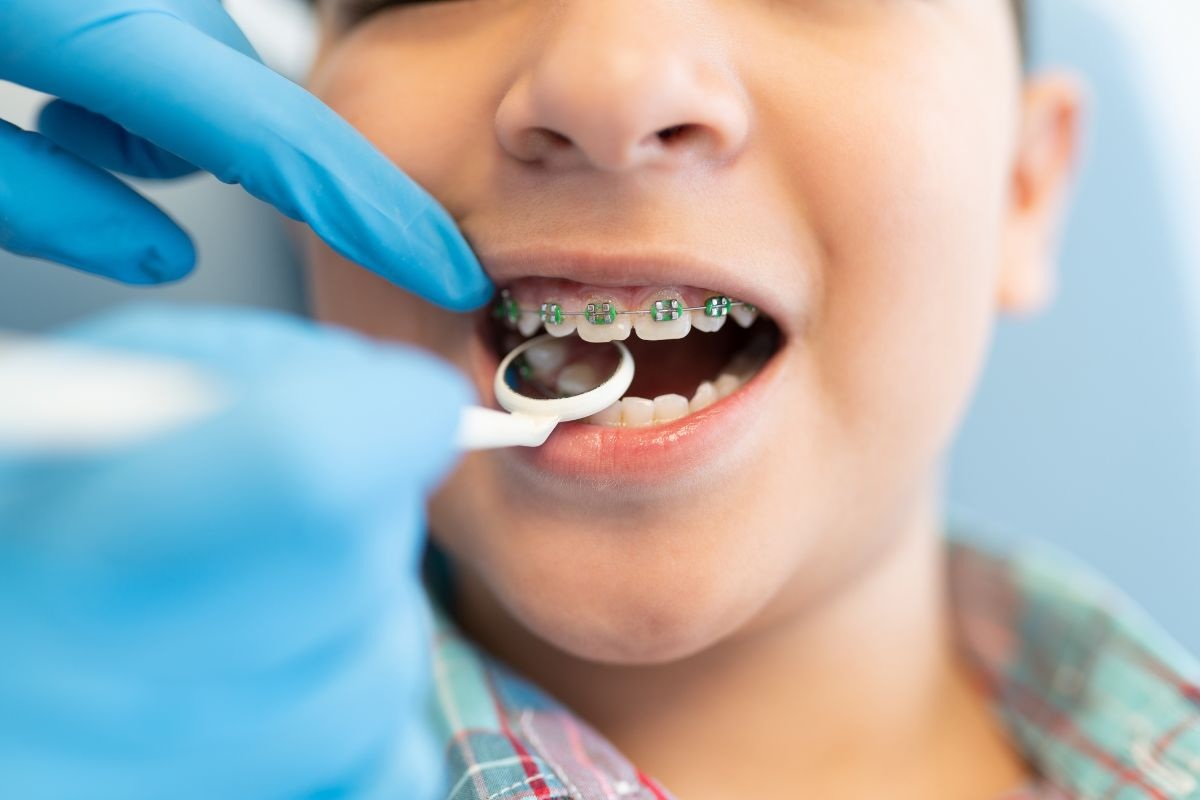
Children don’t always need braces immediately, but early evaluations help orthodontists monitor jaw growth and identify developing problems.
Early treatment may:
- Guide jaw development
- Create space for permanent teeth
- Reduce future treatment complexity
- Improve bite development
Retainers
Retainers help maintain your results after braces or aligners.
Wearing your retainer as instructed helps prevent teeth from gradually shifting back.
Benefits of Treating Orthodontic Problems
Correcting orthodontic issues provides benefits beyond appearance. From improving bite function to making daily brushing and flossing easier, orthodontic care supports your long-term oral health. If you’d like to learn more, explore the benefits of orthodontic treatment before choosing the right solution for your smile.
- Easier brushing and flossing
- Reduced risk of cavities
- Healthier gums
- Improved bite function
- Better speech in some cases
- Less stress on jaw joints
- Increased confidence
A properly aligned smile can also make routine dental care much easier.
What Does Orthodontic Treatment Cost?
The cost of orthodontic care depends on several factors, including:
- Type of treatment
- Length of treatment
- Complexity of tooth movement
- Insurance coverage
Many dental practices offer flexible financing options to help patients fit treatment into their budgets. During your consultation, your orthodontic team can explain available payment options and estimate your expected costs.
Caring for Your Smile During Treatment
Good oral hygiene is essential throughout orthodontic treatment.
Helpful tips include:
- Brush after every meal.
- Floss daily using orthodontic flossers if needed.
- Avoid sticky or very hard foods with braces.
- Wear aligners for the recommended number of hours each day.
- Attend scheduled adjustment appointments.
- Continue routine dental cleanings.
Following these recommendations helps keep treatment on track and supports healthy teeth and gums.
Why Choose Cumming Dental Associates in Cumming?
Choosing an experienced orthodontic provider makes a difference throughout your treatment journey.
At Cumming Dental Associates, patients receive:
- Personalized treatment plans based on individual needs
- Comprehensive orthodontic evaluations
- Modern dental technology for accurate diagnosis and treatment planning
- Friendly, patient-centered care for children, teens, and adults
- Convenient care from a trusted dental practice serving families throughout Cumming, GA
Our team focuses on creating healthy, functional smiles while making every visit comfortable and informative.
See What Local Patients Are Saying
Learn what local patients are saying about their experience at Cumming Dental Associates by exploring our Google reviews.
Conclusion
Living with orthodontic problems doesn’t mean you have to accept discomfort, bite issues, or a smile you’re unhappy with. Modern orthodontic treatments offer effective solutions for patients of every age, whether you need braces, clear aligners, or early intervention.
If you’re ready to improve your smile, schedule an orthodontic consultation with Cumming Dental Associates in Cumming, GA. Our experienced team will evaluate your needs, explain your treatment options, and help you achieve lasting results. Call us today at +1 7707818650 to schedule your appointment.
Frequently Asked Questions
How do I know if I have orthodontic problems?
Common signs include crooked teeth, crowded teeth, gaps, difficulty biting, jaw pain, uneven tooth wear, or teeth that don’t fit together properly. A professional orthodontic evaluation can determine whether treatment is recommended.
At what age should children have an orthodontic evaluation?
Most dental professionals recommend an orthodontic evaluation around age seven. Early assessments help identify developing bite or jaw issues and determine whether treatment should begin immediately or simply be monitored.
Can adults receive orthodontic treatment?
Yes. Many adults successfully improve their smiles with braces or clear aligners. Healthy teeth and gums are generally the most important requirements for orthodontic treatment, regardless of age.
Are clear aligners as effective as braces?
Clear aligners are highly effective for many mild to moderate orthodontic problems. More complex cases may still benefit from traditional braces. Your dentist or orthodontist can recommend the most appropriate treatment.
How long does orthodontic treatment usually take?
Treatment length varies depending on the severity of the condition and the type of appliance used. Many patients complete treatment within 12 to 24 months, although some cases may require more or less time.