Vickery Village

Losing a tooth can affect more than just the appearance of your smile. It may make chewing certain foods uncomfortable, change the way you speak, and leave you feeling less confident in social situations. Whether you have lost one tooth or several, finding a suitable replacement can help protect your oral health and restore everyday comfort.
Among the available tooth replacement options, dental implants are popular because they replace the missing tooth root as well as the visible portion of the tooth. If you are exploring implant dentistry in Cumming, understanding how implants work and what they offer can help you make a more informed decision about your dental health.
At Cumming Dental Associates, we help patients understand their restorative options and explore solutions based on their individual needs. Here are seven important benefits to consider when deciding whether dental implants may be right for you.
Quick Answer: What Are the Benefits of Dental Implants?
Dental implants offer several advantages for replacing missing teeth. They can restore chewing ability, improve smile appearance, support jawbone health, provide stable tooth replacement, and avoid placing support on neighboring natural teeth. With proper care and regular dental visits, implants can provide a durable, long-term tooth replacement option.
1. They Look and Feel More Like Natural Teeth
One of the biggest advantages of dental implants is their natural appearance and function.
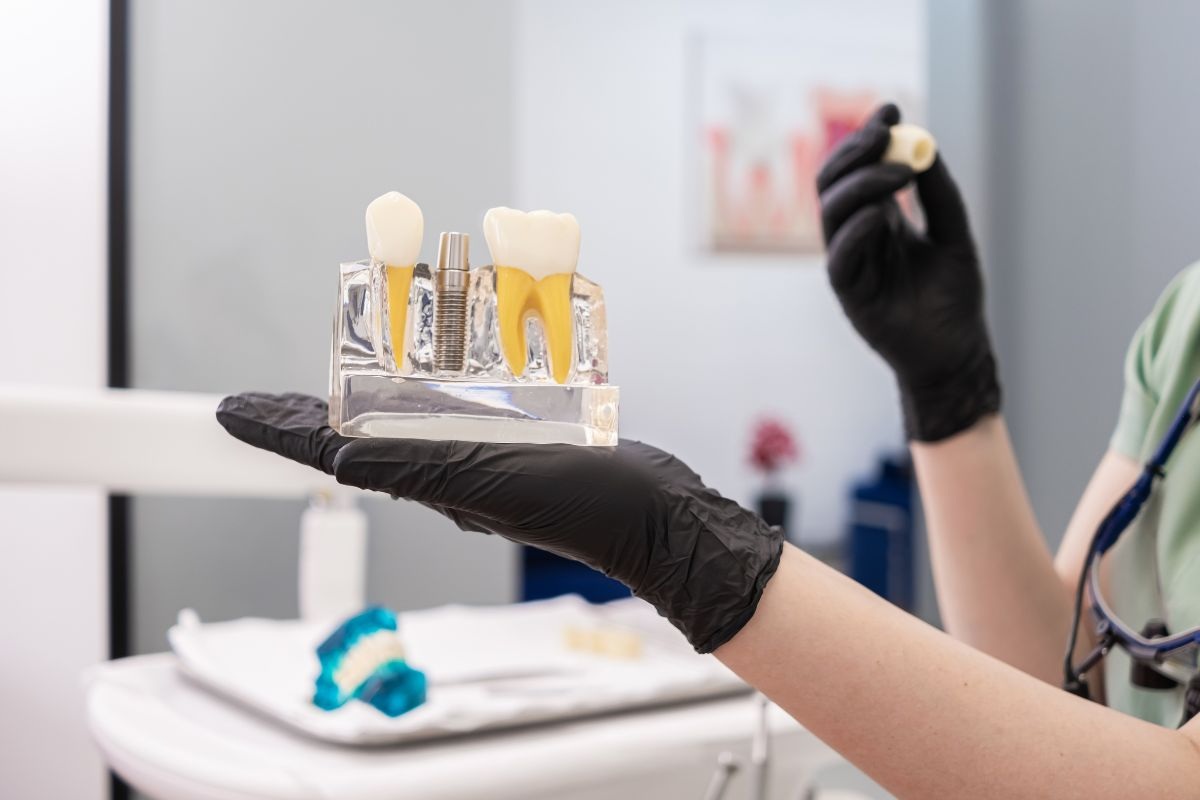
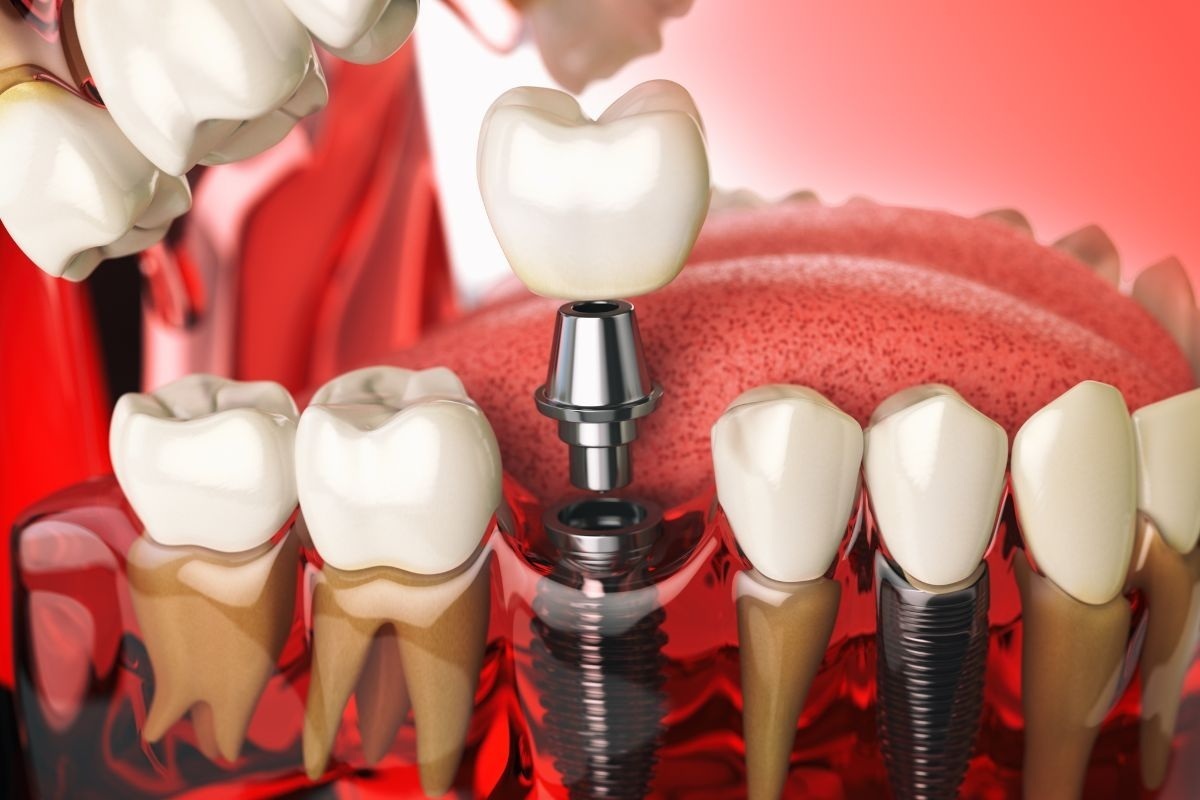
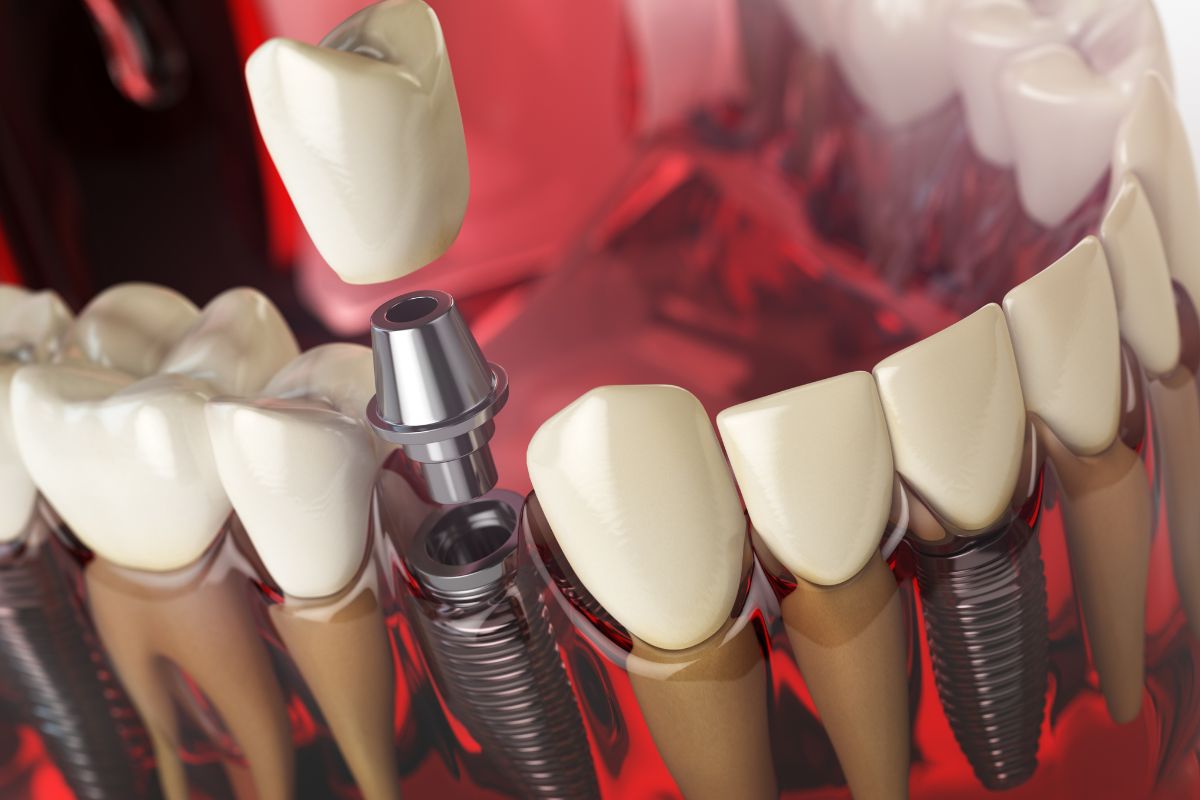
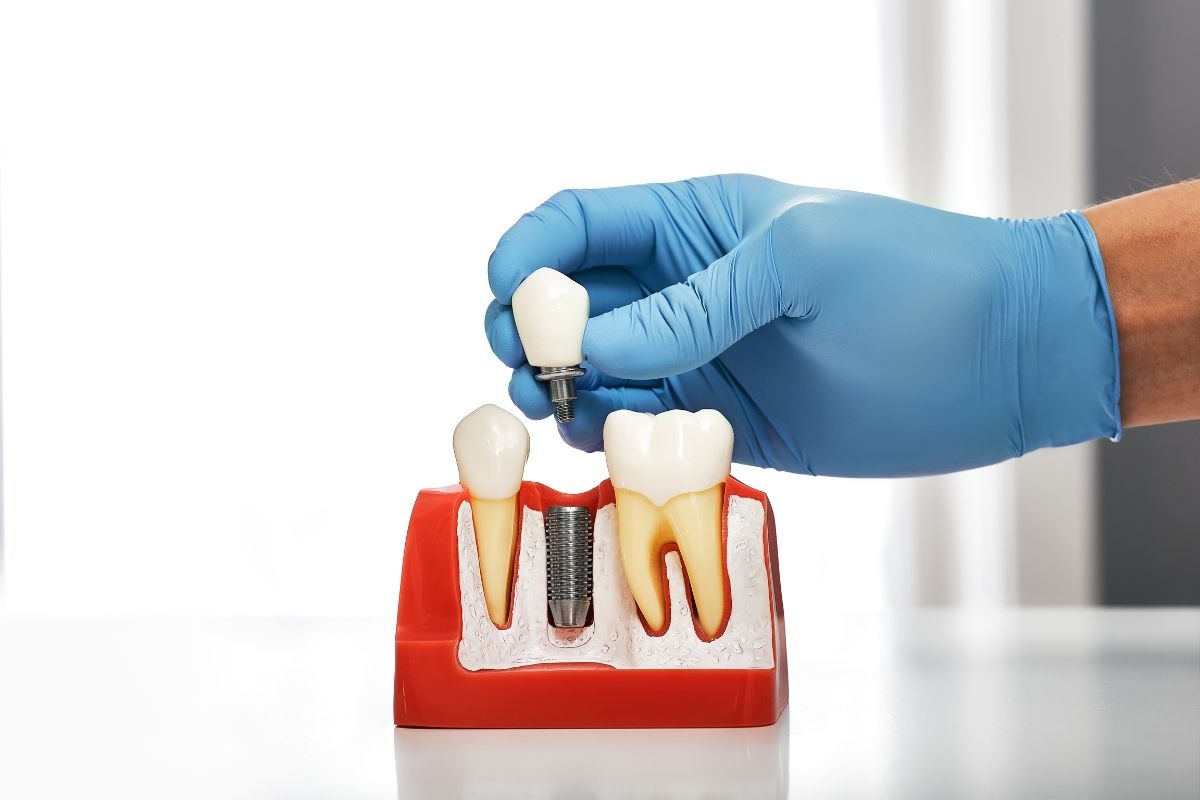
A dental implant consists of a small post placed in the jawbone, an attachment called an abutment, and a replacement tooth such as a crown. The crown is designed to complement the surrounding teeth in shape, size, and color.
Because the implant is secured in the jawbone, it provides a stable foundation for the replacement tooth. Unlike removable options, you do not need to take it out for everyday activities.
For many patients, this stability makes dental implants a comfortable option that feels more like having their natural teeth back.
2. They Help Support Jawbone Health
Did you know that losing a tooth can affect the bone underneath it?
Your natural tooth roots stimulate the jawbone during everyday activities such as chewing. When a tooth is missing, that stimulation is reduced, and the surrounding bone may gradually shrink.
Dental implants help address this concern because they are placed directly into the jawbone. As the bone heals around the implant, a process called osseointegration takes place. This creates a stable connection between the implant and the surrounding bone.
By replacing the missing tooth root, implants can help maintain bone in the affected area.
This is an important consideration for people who want to protect their oral structures after tooth loss.
3. They Make Eating and Chewing More Comfortable
Missing teeth can make everyday meals frustrating. You may find yourself avoiding certain foods, chewing on one side of your mouth, or feeling uncomfortable when biting into something firm.
Dental implants provide a stable foundation for replacement teeth, helping restore chewing function.
Unlike traditional removable dentures, which may move during meals, implants are anchored in the jawbone. This can make eating more comfortable and predictable.
Patients may find it easier to enjoy a wider variety of foods once their treatment is complete and their dentist has cleared them for normal eating.
However, healing takes time, and following post-treatment dietary instructions is important.
4. They Do Not Require Altering Neighboring Teeth
Another important advantage of dental implants is that they can replace a missing tooth without relying on the surrounding natural teeth for support.
With a traditional tooth-supported dental bridge, the neighboring teeth usually need to be reshaped to hold the restoration in place.
A single dental implant works differently. It is placed in the space left by the missing tooth and supports its own replacement crown.
This approach can help preserve the structure of healthy neighboring teeth.
For patients who want to replace a missing tooth while keeping nearby natural teeth intact, implants may be worth discussing during a dental consultation.
5. They Provide Stability for Multiple Missing Teeth
Dental implants are not limited to replacing just one missing tooth. They can also support restorations for patients who have lost several teeth or an entire arch.
Depending on your oral health and treatment goals, possible options include:
- Single-tooth implants: One implant supports an individual replacement crown.
- Implant-supported bridges: Multiple missing teeth can be replaced using a bridge supported by strategically placed implants.
- Implant-supported dentures: Dental implants help secure a denture, reducing movement and improving stability.
- Full-arch restorations: A planned number of implants can support a full set of replacement teeth.
This flexibility allows dental professionals to develop treatment plans based on how many teeth are missing and the condition of the remaining teeth and jawbone.
6. They Can Improve Speech and Everyday Confidence
Missing teeth, particularly those toward the front of the mouth, can sometimes affect pronunciation. Some patients also feel self-conscious when speaking, laughing, or smiling.
Loose-fitting dentures may create additional concerns because they can shift while talking.
Dental implants provide a fixed foundation for replacement teeth, which may help improve speech comfort and stability once treatment is complete.
They can also restore the appearance of your smile, helping you feel more comfortable in everyday interactions.
Although confidence is personal, having a tooth replacement that feels secure can make a meaningful difference in daily life.
7. They Can Be a Durable Long-Term Tooth Replacement
Dental implants are designed to provide long-term support for replacement teeth. With appropriate placement, good oral hygiene, and regular professional maintenance, they can remain functional for many years.
However, it is important to understand that implants are not maintenance-free.
The surrounding gums and bone need ongoing attention. Plaque can accumulate around implants, and inflammation of the surrounding tissues can develop if oral hygiene is neglected.
To care for dental implants:
- Brush twice daily using a soft-bristled toothbrush.
- Clean between your teeth and around the implant every day.
- Attend regular dental checkups and professional cleanings.
- Follow your dentist’s personalized maintenance instructions.
- Avoid smoking, which can interfere with healing and implant health.
Consistent care helps protect both your implant and the surrounding oral tissues.
Are Dental Implants Right for Everyone?
Although dental implants offer several advantages, they are not suitable for every patient.
Your dentist will need to evaluate your overall health, gum condition, jawbone structure, and treatment goals before recommending an implant.
Factors that may influence candidacy include:
- The amount and quality of available jawbone.
- Existing gum disease or untreated dental infections.
- Certain medical conditions, including uncontrolled diabetes.
- Smoking or tobacco use.
- Medications that may affect healing or bone health.
Patients who do not have enough jawbone may sometimes benefit from additional procedures, such as bone grafting or sinus lift augmentation.
If you are unsure whether you are a candidate for dental implants, a comprehensive dental evaluation can help determine which treatment options are appropriate.
Explore Dental Implant Options in Cumming
Replacing missing teeth is an important decision, and understanding your options is the first step toward choosing a treatment that supports your long-term oral health.
At Cumming Dental Associates, we provide dental implant services for patients interested in replacing individual teeth, multiple missing teeth, or exploring implant-supported restorations. Our approach includes evaluating your dental needs and using three-dimensional dental CT imaging to assist with treatment planning when appropriate.
If you are considering tooth replacement, our team can help you explore dental implant options in Cumming, and understand the benefits, treatment considerations, and maintenance involved.
You can also find our practice on Google for location information and directions.
Contact Cumming Dental Associates to schedule a consultation and discuss whether dental implants may be a suitable option for restoring your smile.
Frequently Asked Questions
1. What is the biggest benefit of dental implants?
One of the biggest benefits is that dental implants replace the missing tooth root as well as the visible tooth. They provide a stable foundation for replacement teeth and help support the jawbone in the area where the tooth was lost.
2. Are dental implants better than traditional dentures?
Dental implants and traditional dentures serve different needs. Implants generally provide greater stability because they are anchored in the jawbone. Traditional dentures are removable and may be more appropriate for certain patients. The best option depends on your oral health, preferences, and treatment goals.
3. How long do dental implants last?
Dental implants can remain functional for many years with proper care. Their longevity depends on factors such as oral hygiene, gum health, general health, and regular dental maintenance. The implant-supported crown or other restoration may need repair or replacement over time.
4. Is the dental implant procedure painful?
Dental implant placement is generally performed using local anesthesia to help keep patients comfortable. Some soreness, swelling, or tenderness may occur afterward. Your dentist will explain what to expect and provide appropriate aftercare instructions.
5. Can I get dental implants if I have been missing teeth for years?
Possibly. However, long-term tooth loss can lead to changes in the jawbone, which may affect implant placement. A dental examination and appropriate imaging can help determine whether sufficient bone is available or whether additional procedures, such as bone grafting, may be necessary.