Vickery Village

Losing a tooth can affect much more than your smile. It can make chewing harder, change how your teeth fit together, and leave you wondering which replacement option is right for you. If you are researching dental implant candidates, the good news is that many adults may qualify for implants after a thorough dental evaluation.
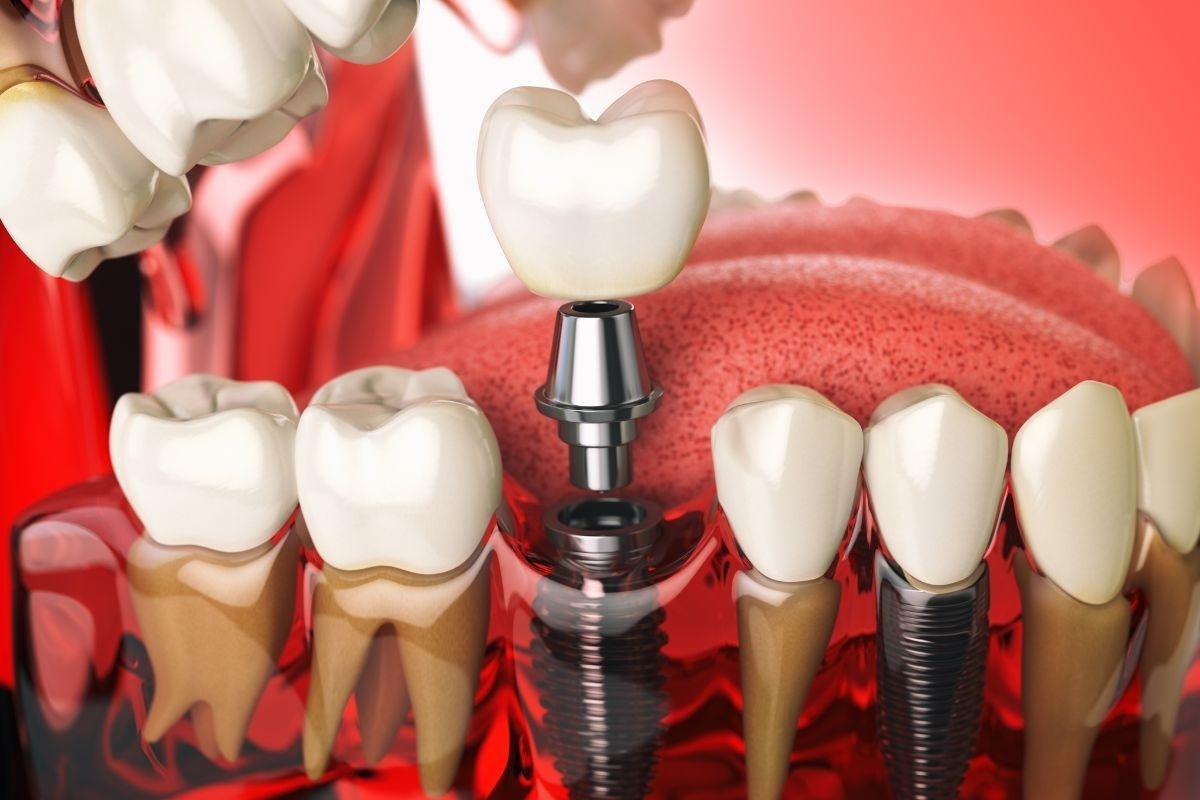
Dental implants are designed to replace missing tooth roots and support a replacement tooth, bridge, or full-arch restoration. But being a good candidate depends on more than simply having a missing tooth. Your gum health, jawbone, overall health, oral hygiene, and treatment goals all play a role.
For patients considering dental implants treatment in Cumming, a personalized consultation can help determine whether implants are appropriate and whether additional treatment is needed first.
Quick Answer
Good dental implant candidates are generally adults with one or more missing teeth, healthy gums, adequate jawbone support, and good oral hygiene. Certain health conditions or bone loss may require additional treatment before implant placement. A dental examination and 3D imaging can help determine whether implants are a suitable option.
What Makes Someone a Good Dental Implant Candidate?
There is no single checklist that guarantees implant candidacy. Instead, dentists consider several factors together before recommending treatment.
You Have One or More Missing Teeth
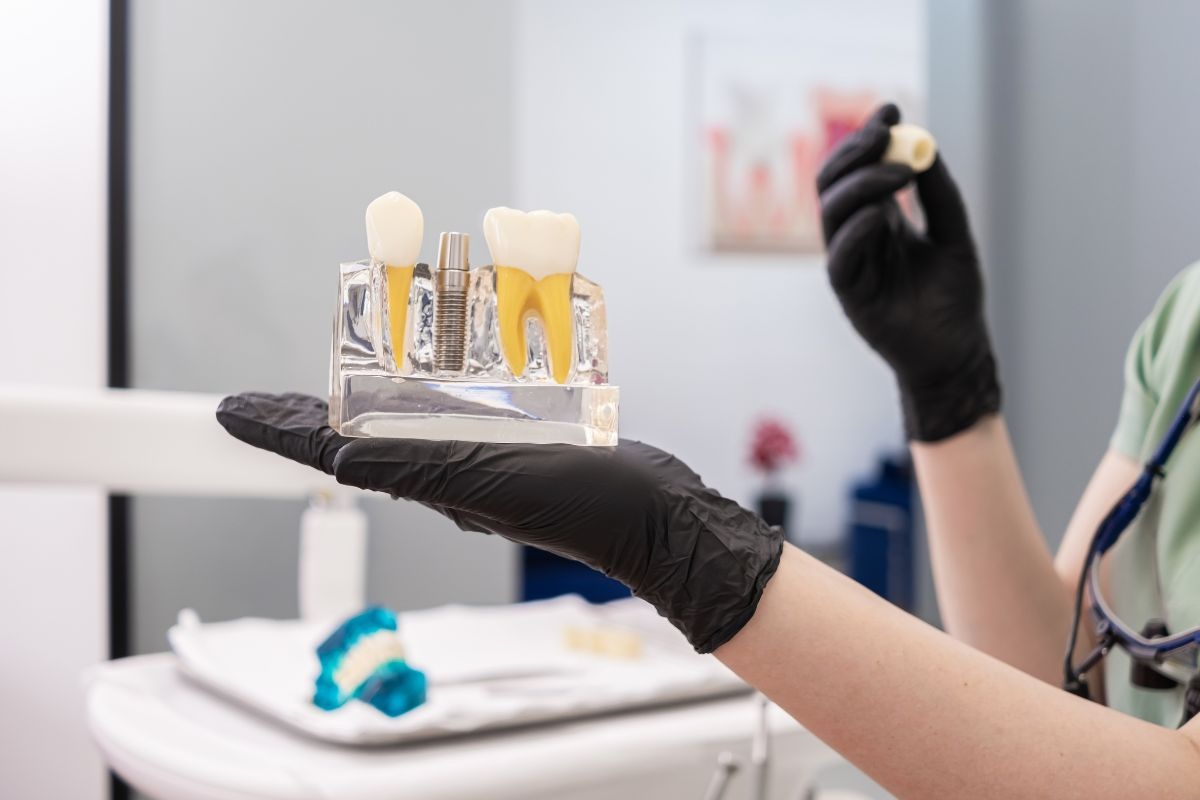
Dental implants can be used in several situations. They may replace a single missing tooth, support a bridge when several teeth are missing, or help stabilize a full-arch restoration.
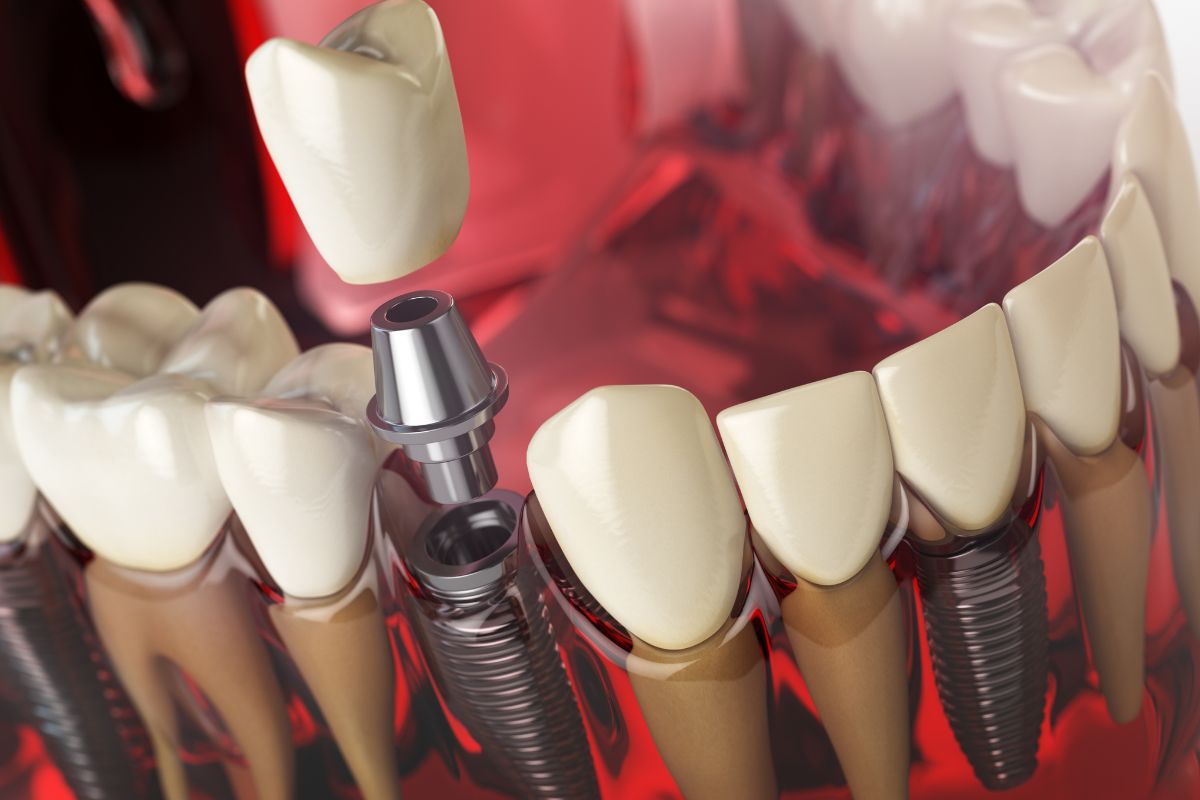
Unlike a traditional bridge, an implant does not need to rely on neighboring teeth for support. The implant post is placed into the jawbone and can provide a stable foundation for the replacement tooth.
Your Gums Are Healthy
Healthy gums are important for successful implant treatment. Active gum disease can affect the tissues and bone supporting an implant, so periodontal problems may need to be treated before implant placement.
If you have bleeding gums, persistent swelling, gum recession, or a history of periodontal disease, mention it during your consultation. Treating existing problems first can help create a healthier environment for an implant.
You Have Enough Jawbone
An implant needs adequate bone support to remain stable. After tooth loss, the jawbone can gradually shrink because it no longer receives stimulation from the tooth root.
Some patients naturally have enough bone for an implant. Others may need bone grafting or another procedure to prepare the site. Cumming Dental Associates notes that implant site development, bone grafting, and sinus lift augmentation may be considered when additional bone support is needed.
You Can Maintain Good Oral Hygiene
Dental implants are not maintenance-free. Although the replacement tooth cannot develop a cavity in the same way as a natural tooth, the surrounding gums and tissues still need careful attention.
Successful long-term maintenance includes:
- Brushing twice a day
- Cleaning between the teeth and around the implant
- Attending regular dental examinations and cleanings
- Following your dentist’s implant-care instructions
- Addressing gum problems early
Good daily habits are an important part of protecting your investment.
Are Dental Implants Right for Older Adults?
Age alone does not automatically rule someone out for dental implants. Many older adults may be candidates if they have sufficient bone support, healthy oral tissues, and overall health that allows them to undergo treatment.
The more important question is whether your mouth and general health can support the planned procedure. Your dentist can review your medical history, medications, dental condition, and imaging before making a recommendation.
When Might You Need Additional Treatment First?
Not everyone is ready for implant placement immediately. Sometimes the best approach is to address another dental issue first.
You may need additional treatment if you have:
- Significant bone loss
- Untreated periodontal disease
- An active dental infection
- A damaged tooth that needs extraction
- Insufficient space for the planned restoration
- Other oral health concerns that could affect treatment
This does not necessarily mean you cannot receive an implant. It may simply mean that your mouth needs to be prepared first.
For example, Cumming Dental Associates describes bone grafting as an option when there is not enough bone to support an implant. The practice also uses computer-enhanced treatment planning with three-dimensional dental CT imaging to evaluate bone quality and plan implant placement.
What Is the Dental Implant Process Like?
If you appear to be a good candidate, your dentist will create a treatment plan based on your specific needs.
1. Dental Examination and Planning
The process begins with an examination of your teeth, gums, and jaw. Imaging may be used to evaluate bone structure and determine the best location for the implant.
2. Preparing the Implant Site
If you need a tooth removed, bone grafting, gum treatment, or another procedure, this may be completed before implant placement.
3. Implant Placement
The implant post is surgically placed into the jawbone. Local anesthesia is typically used during the procedure.
4. Healing and Integration
The implant needs time to bond with the surrounding bone. This process, known as osseointegration, can take several months depending on the individual and whether additional procedures were required.
5. Attaching the Replacement Tooth
Once healing is sufficient, a custom restoration can be attached to the implant. Depending on the treatment plan, implants can support a single crown, a bridge, or a full-arch restoration.
What Are the Benefits of Dental Implants?
For appropriate candidates, implants can offer several advantages over traditional tooth replacement options.
Potential benefits include:
- A stable replacement for missing teeth
- Improved ability to chew
- A natural-looking appearance
- Support for single or multiple missing teeth
- No need to use neighboring teeth as bridge supports
- A long-term tooth replacement option with proper care
Cumming Dental Associates explains that implants are designed to provide stability and can be used for single-tooth replacement, multiple missing teeth, and full-arch restorations.
However, dental implants are not the only way to replace missing teeth. If you are comparing your options, our guide to dental implants vs. dentures explains the key differences in stability, maintenance, comfort, and long-term considerations.
However, implants are not automatically the best option for everyone. Dentures, bridges, or other restorative treatments may be more appropriate depending on your oral health, budget, preferences, and treatment goals.
What Are the Risks?
Dental implants have a strong track record, but like any surgical dental procedure, treatment carries potential risks. These can include infection, discomfort, implant failure, nerve-related problems, or issues with the surrounding bone and gum tissue.
Your dentist will evaluate your individual risk factors and explain the benefits, limitations, alternatives, and expected recovery before treatment.
Why Choose Cumming Dental Associates in Cumming?
Choosing an implant provider is about more than finding someone who places implants. You want a dental team that takes time to understand your oral health, explains your options clearly, and develops a treatment plan around your needs.
At Cumming Dental Associates, implant care includes treatment planning with three-dimensional dental CT imaging, implant site development, bone grafting, sinus lift augmentation, and ongoing implant maintenance when appropriate.
The practice serves patients in Cumming and the surrounding Forsyth County area, with offices including Bald Ridge Marina and Vickery Village. Personalized planning can help patients understand whether an implant, bridge, denture, or another restorative option makes the most sense for their smile.
See What Local Patients Are Saying
Choosing a dental practice is a personal decision, and hearing from other patients can help you feel more comfortable before scheduling. Read reviews from our patients to see recent feedback and learn more about their experiences with our practice.
When Should You Schedule an Implant Consultation?
If you have recently lost a tooth, are unhappy with a denture or bridge, or have been living with a missing tooth for some time, it is worth scheduling a dental evaluation.
Waiting does not always make the problem easier. Bone changes can occur after tooth loss, and neighboring teeth can shift into the space. An early evaluation allows your dentist to discuss your options and determine whether implant treatment or another restoration is appropriate.
The goal is not simply to replace a missing tooth. It is to choose a solution that supports your oral health, function, comfort, and long-term goals.
FAQ Section
How do I know if I am a good candidate for dental implants?
A dental examination is the best way to determine candidacy. Dentists typically evaluate the health of your gums, jawbone, remaining teeth, medical history, and ability to maintain good oral hygiene. Bone loss or gum disease does not always rule out treatment, but these conditions may need to be addressed first.
Can I get dental implants if I have bone loss?
Possibly. Some patients with bone loss may need bone grafting or another procedure before implant placement. The amount and location of available bone can be evaluated with dental imaging. Your dentist can explain whether bone augmentation could make implant treatment possible in your situation.
Are dental implants painful?
Implant placement is performed with anesthesia to keep you comfortable during treatment. Some soreness or swelling can occur afterward, but discomfort is generally managed with the aftercare instructions provided by your dental team. Your expected recovery depends on the procedure and your individual healing.
How long does dental implant treatment take?
The timeline varies from patient to patient. The complete process can take several months because the implant needs time to integrate with the jawbone before the final restoration is placed. Additional procedures, such as bone grafting, may make treatment longer.
How long can dental implants last?
With proper oral hygiene and regular professional care, dental implants are designed as a long-term tooth replacement solution. Their longevity depends on factors such as gum health, home care, routine dental visits, and the condition of the implant and surrounding tissues.
Can dental implants replace several missing teeth?
Yes. Implants can replace one missing tooth, support a bridge for multiple missing teeth, or help secure a full-arch restoration. The appropriate approach depends on how many teeth are missing, your bone structure, gum health, and overall treatment goals.
Conclusion
The best dental implant candidates are not defined by age alone. Healthy gums, adequate bone support, good oral hygiene, and realistic treatment expectations all help determine whether implants are a suitable choice. Even if you have bone loss or another dental concern, additional treatment may make implant placement possible.
If you are considering dental implants in Cumming, GA, a personalized examination is the next step. Contact Cumming Dental Associates at +1 7707818650 to discuss your options and schedule an implant consultation.