Vickery Village

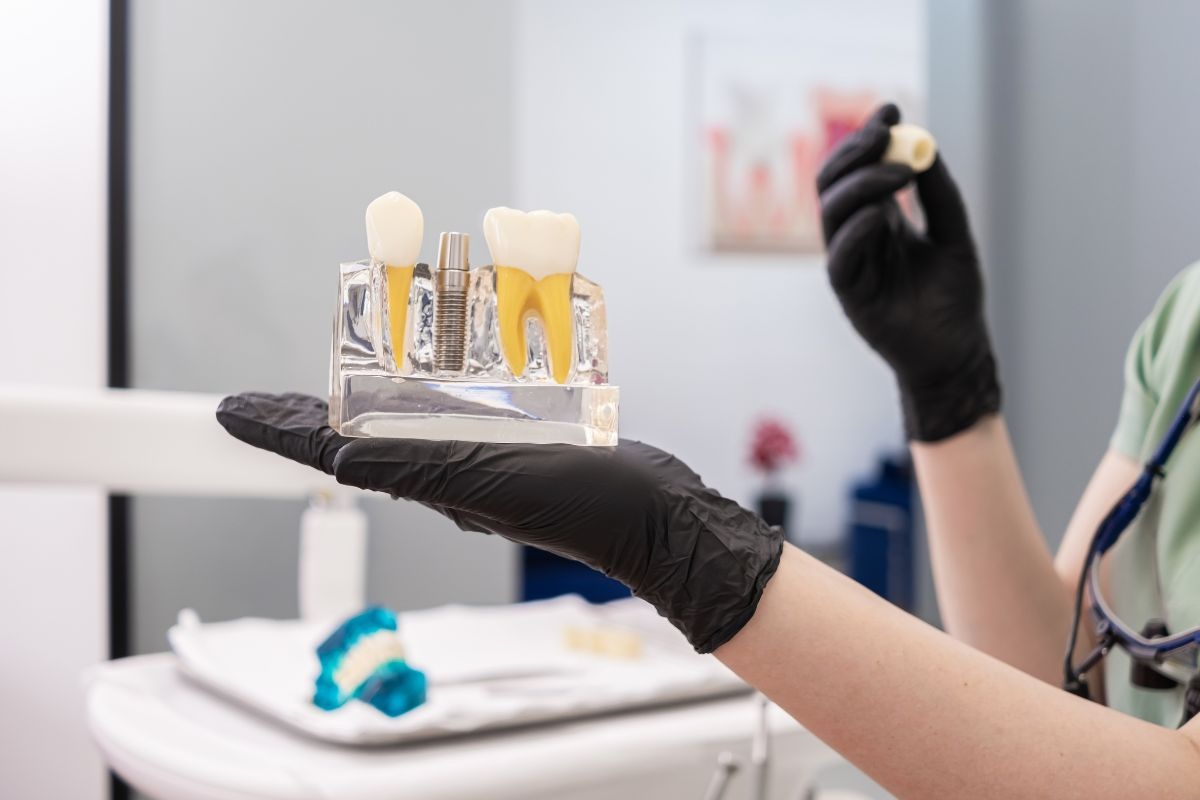
Getting a dental implant is an important step toward replacing a missing tooth, but the care you provide afterward matters just as much. Proper dental implant aftercare can help protect the surgical area while it heals and support good oral health around the implant over time.
If you are considering an implant or have recently had one placed, understanding what to eat, how to clean your mouth, and which symptoms deserve a call to your dentist can make recovery less stressful. Before moving forward with treatment, it can also help to understand who is a good candidate for dental implants, since candidacy depends on factors such as oral health, bone support, and your individual treatment needs. If you are exploring your options for replacing a missing tooth, speaking with an implant dentist in Cumming can also help you understand what to expect before, during, and after treatment.
Quick Answer: How Do You Care for a Dental Implant?
Dental implant aftercare generally involves following your dentist’s specific instructions, keeping your mouth clean, choosing softer foods during the early healing period, avoiding tobacco, and attending recommended follow-up appointments. Do not disturb the surgical site, and contact your dental provider if you experience unusual pain, swelling, bleeding, drainage, fever, or other concerning symptoms.
Your individual instructions may differ depending on the type of implant procedure you received and your overall oral health.
What to Expect After Dental Implant Placement
It is normal to have some discomfort, swelling, or tenderness after implant surgery. The amount and duration can vary from person to person and can also depend on the complexity of the procedure.
Your dentist may provide specific instructions for managing discomfort and caring for the surgical area. Follow those directions rather than relying solely on general advice found online.
The early healing period is particularly important because the tissues around the implant need time to recover. Depending on your treatment, your dentist may also recommend avoiding certain foods, activities, or habits temporarily.
Follow Your Dentist’s Instructions First
There is no single aftercare routine that applies to every dental implant patient. Your instructions may depend on factors such as:
- Whether an implant was placed immediately after an extraction
- Whether bone grafting was performed
- The location of the implant
- Whether a temporary restoration was placed
- Your existing oral health
- Your dentist’s surgical and restorative approach
For that reason, instructions provided by your treating dental team should take priority over general information.
1. Keep the Area Clean
Good oral hygiene remains important after implant treatment, but you need to be careful around the surgical site while it heals.
Your dentist may recommend a particular brushing technique, mouth rinse, or cleaning routine depending on your procedure. Avoid aggressively brushing or poking directly at an area that your dental team has instructed you to leave undisturbed.
Once your dentist gives you permission to clean around the implant normally, consistent daily brushing and interdental cleaning become important parts of long-term implant care.
The goal is not simply to clean the visible tooth. Keeping the surrounding gums and remaining teeth healthy is also an important part of maintaining your overall oral health.
2. Choose Foods That Are Easy to Eat
Your dentist may recommend softer foods during the early stage of recovery. Foods that require significant chewing can place unnecessary pressure on a healing area.
Depending on your instructions, suitable choices may include:
- Yogurt
- Eggs
- Smooth soups
- Mashed vegetables
- Soft pasta
- Oatmeal
- Smoothies
- Soft cooked foods
As healing progresses, your dental provider can tell you when it is appropriate to return to your normal diet.
Avoid using the implant area to chew hard, crunchy, or sticky foods until your dentist says it is safe.
3. Avoid Smoking and Tobacco
If you use cigarettes or other tobacco products, talk with your dentist about how they may affect your healing and oral health.
Tobacco can make recovery more difficult and is generally harmful to the tissues that support your teeth and implants. Your dental team can provide guidance based on your individual situation.
This is also a good opportunity to discuss tobacco cessation if you are interested in quitting.
4. Don’t Disturb the Surgical Area
It can be tempting to check a new implant with your tongue or fingers, especially during the first few days.
Try to leave the area alone as much as possible. Avoid touching, pulling, or manipulating anything around the implant unless your dentist has specifically instructed you to do so.
If you notice something that looks unusual, contact your dental office instead of trying to fix it yourself.
5. Take Medications Only as Directed
Your dentist may recommend medication to manage discomfort after implant surgery. The appropriate medication and dosage can vary based on your health history, other medications, and the type of procedure performed.
Follow the instructions provided by your dental professional and do not take more than directed.
The American Dental Association notes that implant surgery can involve moderate postoperative pain, while the appropriate pain-management approach depends on the individual procedure and patient.
If you are unsure whether a medication is appropriate for you, ask your dentist or physician.
6. Keep Your Follow-Up Appointments
Follow-up visits are an important part of dental implant care.
Your dentist can examine the healing area, evaluate the surrounding tissues, and determine whether your recovery is progressing as expected. Follow-up care may also be needed as your final restoration is completed.
Implant maintenance does not end once the final crown or restoration is placed. Regular professional dental care and daily home hygiene remain important for protecting your overall oral health.
What Are Signs That Something May Be Wrong With a Dental Implant?
Knowing what deserves attention can give you peace of mind during recovery.
Contact your dental office if you experience symptoms such as:
- Pain that is severe, worsening, or unexpected
- Significant or increasing swelling
- Persistent or unusual bleeding
- Pus or drainage around the surgical area
- Fever or feeling generally unwell
- A loose implant or restoration
- Changes that concern you about the healing site
These symptoms do not automatically mean an implant has failed. However, they are reasons to contact your dental provider for personalized evaluation rather than waiting to see whether the problem resolves on its own.
How Do You Maintain a Dental Implant Long Term?
Once your implant has healed and your dentist has approved normal oral hygiene, caring for it becomes part of your everyday dental routine.
Brush Regularly
Brush your teeth according to your dentist’s recommendations. Pay attention to the gumline and the areas around your implant restoration.
Clean Between Your Teeth
Depending on your restoration and the space around the implant, your dentist may recommend floss, interdental brushes, a water flosser, or another cleaning method.
Ask your dental team to demonstrate the best technique for your specific implant.
Continue Routine Dental Visits
Regular examinations and professional cleanings allow your dental team to monitor your teeth, gums, and implant restoration.
Professional implant maintenance can include evaluating the implant and surrounding tissues and reinforcing appropriate daily cleaning practices. The ADA’s dental coding guidance specifically describes implant maintenance as including examination and instruction in thorough daily cleansing.
Common Questions About Dental Implant Aftercare
Can I brush my teeth after getting a dental implant?
Your dentist will tell you when and how to brush around the surgical area. You may be instructed to avoid disturbing the immediate treatment site while continuing to maintain cleanliness elsewhere in your mouth.
How long should I eat soft foods after implant surgery?
The appropriate timeframe varies according to the procedure and how you are healing. Follow your dentist’s instructions rather than using a fixed number of days from a general online recommendation.
Can I smoke after getting a dental implant?
It is best to discuss tobacco use with your dentist before and after implant treatment. Tobacco can negatively affect oral tissues and may interfere with healing, so your dental team may recommend avoiding it during recovery.
How often should dental implants be cleaned?
Dental implants should be cared for every day at home, just like the rest of your mouth. Your dentist will also recommend a schedule for professional examinations and cleanings based on your oral health and implant needs.
When should I call my dentist after implant surgery?
Call your dental office if you develop severe or worsening pain, significant swelling, persistent bleeding, drainage, fever, a loose restoration or implant, or any symptom that concerns you. Prompt evaluation can help determine whether additional care is needed.
Dental Implant Aftercare in Cumming, GA
Taking care of a dental implant is a long-term commitment to your oral health. The most important steps are simple: follow your dentist’s instructions, keep your mouth clean, protect the healing area, maintain regular dental visits, and contact your dental provider when something does not seem right.
For patients in Cumming, GA, Cumming Dental Associates provides comprehensive dental care, including dental implants, with offices in Vickery Village and on Bald Ridge Marina Road.
If you have questions about caring for an existing implant or are considering tooth replacement, a dental evaluation can help you understand your options and develop an appropriate treatment plan.
Your smile deserves care beyond the day your implant is placed. Consistent home care and professional follow-up can help you maintain a healthy mouth for the long term.