Vickery Village

When your child needs dental care, you may wonder whether they should see a general dentist or a pediatric dentist. Children have different dental needs as they grow, and their appointments often involve more than simply checking for cavities.
A pediatric dentist focuses on the oral health of infants, children, and teenagers. Their work can include preventive care, monitoring tooth and jaw development, treating common childhood dental problems, and helping children become comfortable with dental visits.
For families in Cumming and nearby communities such as Alpharetta, Johns Creek, and Sugar Hill, understanding what pediatric dental care involves can make it easier to decide when your child should see a dentist and what to expect at an appointment.
What Is a Pediatric Dentist?
A pediatric dentist is a dental professional who focuses on caring for children and their developing smiles. Pediatric dentistry involves more than treating baby teeth. It also includes understanding how children’s teeth, gums, jaws, and oral habits change as they grow.
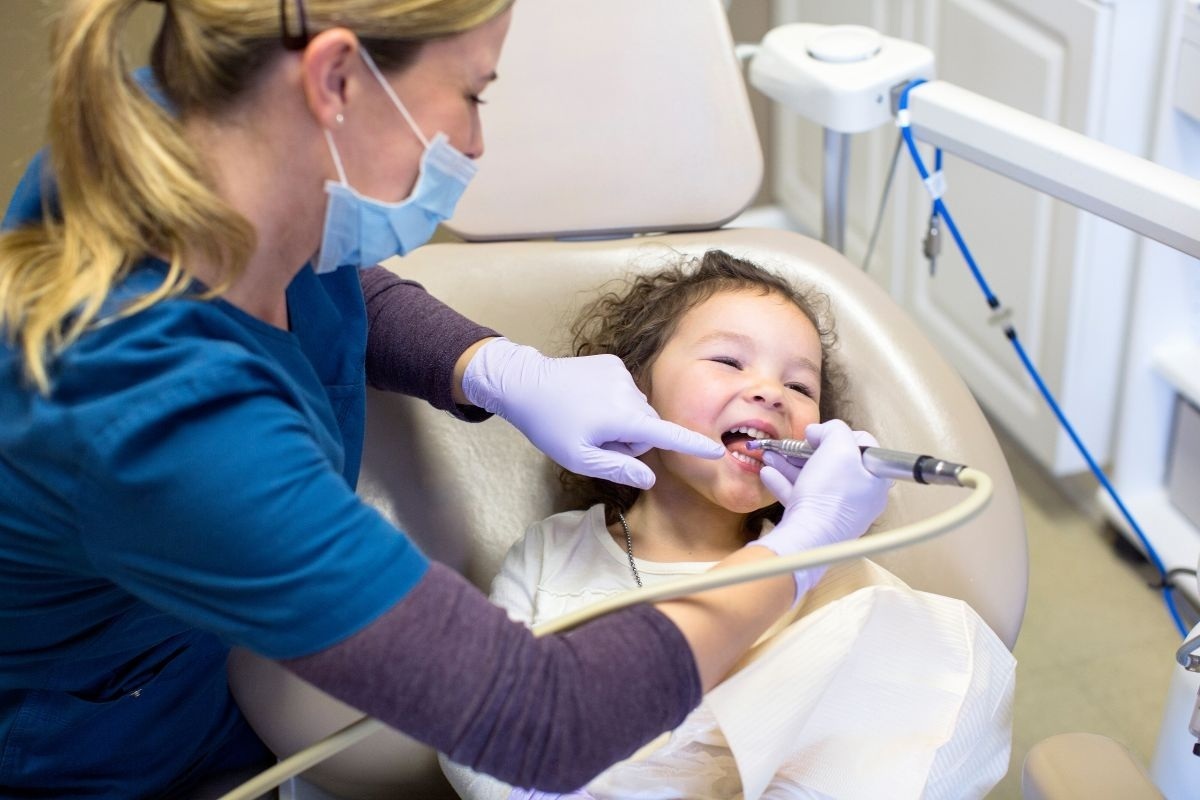
Children can also respond differently to dental visits than adults. A child may feel nervous about a new environment, have difficulty sitting still, or simply not understand why a dental procedure is necessary. Child-focused communication and behavior guidance can help make appointments more comfortable.
The American Academy of Pediatric Dentistry notes that pediatric dentists receive additional specialty training after dental school and focus their practices on children.
Why Specialized Dental Care Matters During Childhood
A child’s mouth changes considerably from infancy through the teenage years. Baby teeth appear, permanent teeth begin to replace them, and the jaws continue developing.
These changes are worth monitoring because dental problems can affect more than the appearance of a smile. Tooth decay can cause pain, while problems with tooth eruption or bite development may require further evaluation.
Regular dental examinations can help identify:
- Early signs of tooth decay
- Problems with tooth eruption
- Crowding or unusual spacing
- Bite and alignment concerns
- Changes in jaw development
- Oral habits that may affect dental development
Finding a concern early does not necessarily mean a child will need extensive treatment. In many cases, monitoring and preventive care are all that is needed at that stage.
What Does a Pediatric Dentist Do During a Dental Visit?
One of the most common questions parents have is what actually happens during a child’s appointment.
Depending on the child’s age, oral health, and individual needs, an appointment may include:
Oral Examination
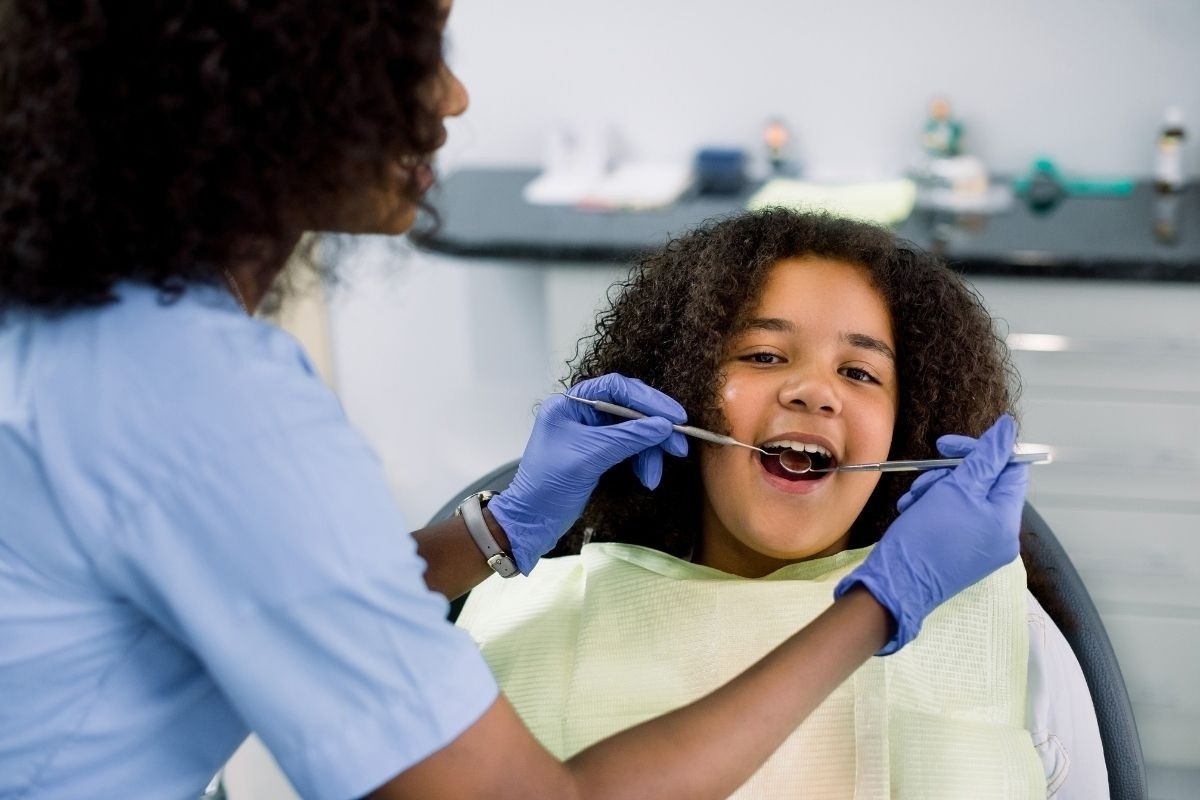
The dentist checks the teeth, gums, and other areas of the mouth for signs of decay, inflammation, eruption problems, or other concerns.
Professional Cleaning
A cleaning removes plaque and buildup that regular brushing may not completely remove. It also gives the dental team an opportunity to reinforce good brushing and flossing habits.
Fluoride Treatment
Fluoride can help strengthen tooth enamel and reduce the risk of cavities. Whether fluoride treatment is recommended depends on the child’s individual needs and cavity risk. The ADA recommends discussing age-appropriate fluoride use and preventive care with a dental professional.
Dental Sealants
Sealants are protective coatings that can be placed in the grooves of certain teeth, particularly molars. They can make these areas easier to protect from decay.
Growth and Development Monitoring
The dentist tracks how the child’s teeth are erupting and how the bite is developing. If something appears unusual, the dentist can recommend monitoring or further evaluation.
Guidance for Parents
Parents may also receive advice about brushing, flossing, diet, fluoride toothpaste, thumb sucking, pacifier use, sports-related injuries, and other age-specific concerns.
The exact care provided will vary from child to child.
When Should a Child First See a Dentist?
Your child does not need to wait until all of their baby teeth have appeared before visiting the dentist.
The American Academy of Pediatric Dentistry recommends that a child have a dental home by age 1, or within six months after the first tooth erupts. The American Dental Association also recommends establishing a dental home before age 1.
An early visit gives parents a chance to ask questions and learn how to care for developing teeth. It also allows the dental team to identify problems before they become more difficult to manage.
For babies and toddlers, the first appointment may be relatively simple. The focus is often on examining the mouth, discussing home care, reviewing diet and habits, and helping parents understand what to expect as the child grows.
Helping Children Build Healthy Dental Habits
A large part of children’s dentistry involves helping families establish routines that can continue at home.
Parents may receive guidance on:
- Brushing twice a day with an age-appropriate amount of fluoride toothpaste
- Cleaning between teeth when appropriate
- Choosing an appropriate toothbrush
- Limiting frequent sugary snacks and drinks
- Encouraging water as a regular drink
- Managing thumb sucking or pacifier habits
- Protecting teeth during sports and physical activities
Young children generally need help with brushing because they have not yet developed the coordination needed to clean every area effectively.
Good habits also take time. A child who learns that brushing and dental visits are normal parts of everyday life may have an easier time maintaining those routines as they get older.
Monitoring Tooth Growth and Development
Baby teeth serve an important purpose. They help children chew, contribute to speech development, and maintain space for permanent teeth.
As permanent teeth begin to erupt, a dentist can monitor whether they are developing and coming into the mouth as expected.
A child may be evaluated for concerns such as:
- Delayed tooth eruption
- Teeth that are crowded or severely spaced
- Abnormal bite patterns
- Jaw-growth concerns
- Early signs that an orthodontic evaluation may be helpful
Cumming Dental Associates currently lists early orthodontic evaluations among its children’s dental services, along with preventive and restorative care.
Not every child needs orthodontic treatment at a young age. The purpose of monitoring is to recognize developmental concerns and determine whether further evaluation is appropriate.
Preventive Treatments That Protect Young Smiles
Preventive care is a major part of pediatric dentistry because protecting healthy teeth is generally preferable to waiting until a problem causes pain.
Common preventive services include:
Dental Cleanings and Exams
Routine cleanings and examinations help remove buildup and identify developing concerns. They also give children regular opportunities to become familiar with the dental office.
Fluoride Care
Fluoride helps strengthen enamel and can reduce the risk of tooth decay. A dentist can determine whether a professional fluoride treatment is appropriate based on a child’s age and individual risk.
Dental Sealants
Sealants can cover deep grooves on the chewing surfaces of teeth where food and plaque may collect. They are one option dentists may use to help protect cavity-prone areas.
Oral Health and Nutrition Guidance
Diet plays a role in dental health. Frequent exposure to sugary foods and drinks can increase the risk of tooth decay, so parents may receive practical advice about snacks, beverages, and daily eating habits.
How Pediatric Dentists Help Children Feel More Comfortable
A child’s first few dental experiences can influence how they feel about dental care later.
Some children walk into an appointment without a second thought. Others become nervous as soon as they see the dental chair. Both reactions are normal.
A child-focused dental team may use simple explanations, age-appropriate language, encouragement, and a slower pace when needed. The goal is to help children understand what is happening rather than overwhelming them with unfamiliar terminology.
At Cumming Dental Associates, the children’s dental program emphasizes a welcoming, family-friendly environment and gentle care designed to help young patients feel comfortable.
For families searching for an experienced dentist for kids in Cumming, choosing a practice that understands children’s behavior and developmental stages can make appointments easier for both the child and parent.
Managing Common Childhood Dental Problems
Even with good home care, children can develop dental problems. A pediatric dental team can help identify and manage concerns such as:
Cavities
Tooth decay can develop in baby teeth as well as permanent teeth. Treating cavities early can help prevent worsening decay, discomfort, or infection.
Dental Injuries
Falls, sports accidents, and other injuries can damage a child’s teeth. A chipped, loosened, or knocked-out tooth should be evaluated promptly so the dentist can determine the appropriate next step.
Gum Problems
Red, swollen, or bleeding gums may be associated with plaque buildup or other issues. Persistent symptoms deserve professional evaluation.
Teeth Grinding
Some children grind or clench their teeth, particularly during sleep. A dentist can evaluate the amount of wear and determine whether monitoring or treatment is appropriate.
Thumb Sucking and Pacifier Habits
Certain oral habits can affect dental development when they continue beyond the early years. A dentist can discuss the habit and provide age-appropriate guidance rather than simply telling a child to stop.
What About Children With Special Healthcare Needs?
Some children may need additional support during dental visits because of physical, developmental, behavioral, or sensory considerations.
Their care may involve changes in communication, appointment pacing, or the way instructions are provided. Parents should discuss their child’s needs with the dental team before an appointment so appropriate accommodations can be considered.
The right approach depends on the individual child. There is no single method that works equally well for every young patient.
How Often Should Children Visit the Dentist?
Regular dental visits allow the dentist to monitor changes over time rather than evaluating the child only when something hurts.
The AAPD states that six-month checkups are generally recommended, although the appropriate interval can vary according to a child’s individual oral health needs and cavity risk.
Keeping appointments consistent can help with:
- Early detection of dental problems
- Preventive care
- Monitoring tooth development
- Reinforcing home-care habits
- Familiarizing children with the dental office
If your child has a specific dental concern, the dentist may recommend a different schedule.
When Should Parents Call a Dentist?
Parents do not need to wait for a regular checkup if something seems wrong.
Consider contacting your child’s dentist if you notice:
- Tooth pain or sensitivity
- Swelling around a tooth or gum
- A broken or chipped tooth
- A knocked-out or displaced tooth
- Persistent bleeding or gum irritation
- A new problem with chewing
- A tooth that appears to be erupting unusually
- Signs of an infection
Dental injuries can sometimes require prompt evaluation, particularly when a permanent tooth has been damaged or knocked out.
The Bottom Line: What Does a Pediatric Dentist Do?
So, what does a pediatric dentist do?
A pediatric dentist helps protect a child’s oral health through preventive care, examinations, cleanings, fluoride and sealant treatments when appropriate, cavity treatment, monitoring of dental development, and guidance for parents.
Just as importantly, child-focused dental care can help young patients become comfortable with dental visits and learn habits they can carry into adulthood.
For families in Cumming and surrounding communities, starting dental care early gives parents a chance to address questions before small concerns become bigger problems. Cumming Dental Associates provides children’s dental services including cleanings and exams, fluoride care, cavity treatment, braces for kids, oral health guidance, and other pediatric-focused services.
If your child is due for a dental visit or you have a concern about their teeth or oral development, contact Cumming Dental Associates to discuss the next step for your child.
FAQs
1. What does a pediatric dentist do?
A pediatric dentist provides dental care for infants, children, and teenagers. Services can include examinations, cleanings, preventive treatments, cavity care, monitoring dental development, and guidance for parents.
2. At what age should a child first see a dentist?
The AAPD and ADA recommend that children establish a dental home by age 1, or within six months after the first tooth appears.
3. Does my child really need a pediatric dentist?
Children can receive dental care from qualified dental professionals, but pediatric dentists receive additional specialty training focused on children’s oral health and development. The best choice depends on the child’s needs and the services available at the practice.
4. What happens at a child’s first dental visit?
The first visit typically focuses on examining the child’s mouth, discussing oral hygiene and diet, identifying potential concerns, and helping parents understand how to care for developing teeth. The exact appointment varies based on the child’s age and needs.
5. How often should children visit the dentist?
The AAPD states that checkups every six months are generally recommended, although the appropriate frequency can vary depending on a child’s individual oral health and cavity risk.
6. What should I do if my child has a dental injury?
Contact your child’s dentist promptly after a dental injury. A dentist can determine whether the tooth or surrounding tissues need immediate treatment and what follow-up care may be necessary.