Vickery Village

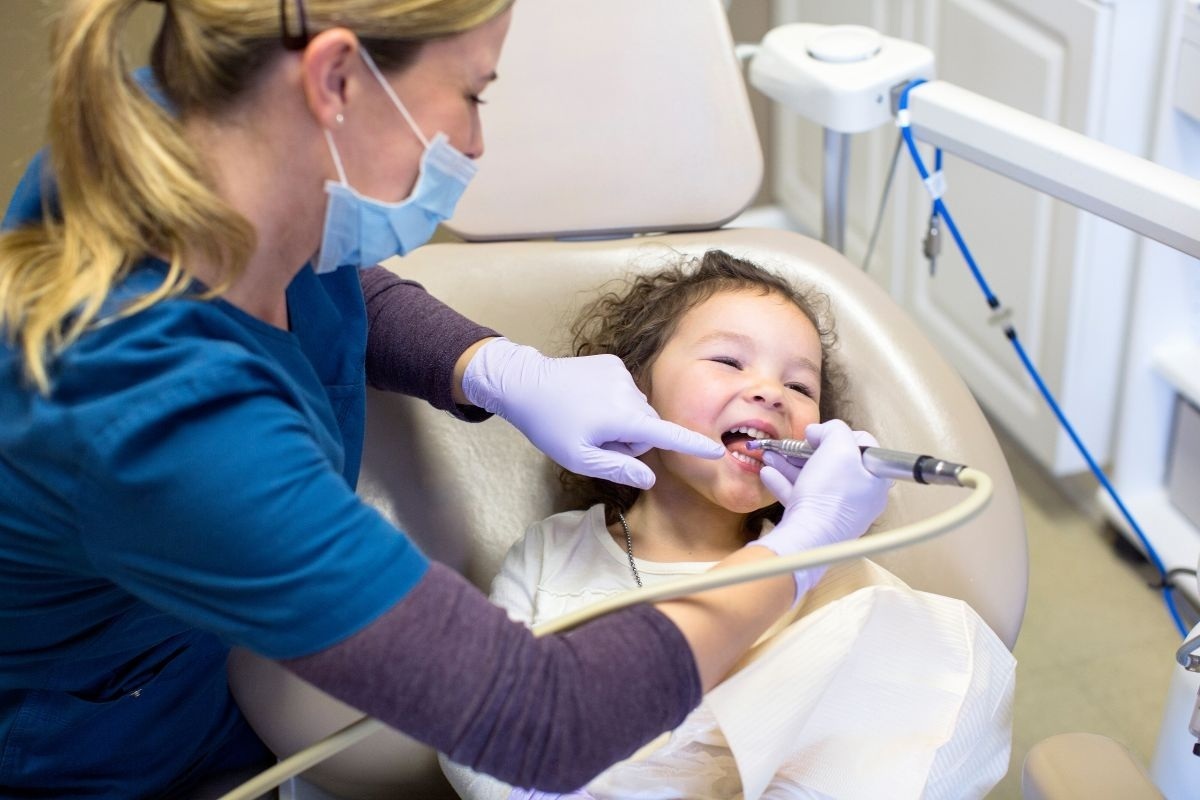
As a parent, seeing your child complain about a toothache, sensitivity, or bleeding gums can be stressful. The good news is that many childhood dental problems can be prevented with consistent oral hygiene, healthy habits, and regular dental visits.
Understanding the common dental problems in children can help parents spot early warning signs and take action before a small concern becomes a painful or costly problem. For families in Cumming, GA, establishing good dental habits early can help children feel more confident about taking care of their smiles.
Quick Answer
The most common dental problems in children include cavities, gum inflammation, tooth sensitivity, dental injuries, and enamel problems. Regular brushing with fluoride toothpaste, flossing, healthy food choices, limiting sugary drinks, protecting teeth during sports, and routine dental visits can help prevent many of these concerns.
1. Tooth Decay and Cavities
Cavities are one of the most common oral health problems among children. They develop when bacteria in the mouth use sugars and starches from food and drinks to produce acids that weaken tooth enamel.
Children may be more vulnerable because baby teeth have thinner enamel than adult teeth. Frequent snacking, sugary beverages, poor brushing habits, and bedtime bottles can increase the risk.
How can parents prevent cavities?
- Help young children brush twice a day with fluoride toothpaste.
- Encourage children to spit out toothpaste rather than swallowing it.
- Floss between teeth once they touch each other.
- Limit frequent sugary snacks and drinks.
- Choose water between meals whenever possible.
- Schedule regular dental checkups.
A cavity may not cause pain in its early stages, so waiting until a child complains about a tooth is not always the best approach.
2. Gum Problems in Children
Healthy gums should generally look pink and should not bleed during normal brushing or flossing. Red, swollen, tender, or bleeding gums may be signs of plaque buildup and early gum inflammation.
Children sometimes rush through brushing or miss areas along the gumline. Teaching them to brush gently but thoroughly can make a major difference.
If bleeding continues despite improved brushing and flossing, a dental professional should evaluate the child’s gums. Early attention can help prevent more serious periodontal problems later.
3. Tooth Sensitivity
Some children experience discomfort when eating something cold, hot, sweet, or acidic. Sensitivity can have several causes, including enamel wear, cavities, exposed areas of the tooth, or other dental concerns.
Parents should not assume sensitivity is simply part of growing up.
If your child repeatedly avoids certain foods or complains when drinking cold water, schedule a dental evaluation. Identifying the cause is important because treatment depends on what is creating the sensitivity.
4. Dental Injuries and Chipped Teeth
Children are active, and falls, playground accidents, bike rides, and sports can sometimes lead to chipped, cracked, or knocked-out teeth.
A mouthguard can provide valuable protection during contact sports and activities where dental injuries are possible.
If a permanent tooth is knocked out, seek urgent dental care. A baby tooth that is knocked out should also be evaluated, but parents should not try to put it back into the socket.
Even a small chip deserves attention if it causes pain, sharp edges, or changes in how the child bites.
5. Enamel Problems
Some children develop enamel that is weaker, thinner, or unevenly formed. Teeth with enamel defects may be more sensitive or more susceptible to decay.
Parents may notice white, yellow, or brown areas on the teeth, unusual sensitivity, or teeth that seem to break down easily.
Good brushing, fluoride exposure, balanced nutrition, and professional dental monitoring can help protect vulnerable teeth. A dentist can also recommend preventive treatments when appropriate.
6. Early Tooth Loss and Crowding
Baby teeth do more than help children chew. They also help maintain space for permanent teeth developing underneath.
When a baby tooth is lost too early because of decay or injury, nearby teeth may shift into the empty space. This can sometimes contribute to crowding or other alignment concerns.
That is one reason treating baby teeth matters, even though they are eventually replaced. A dentist can monitor your child’s dental development and recommend the appropriate next step if a tooth is lost prematurely.
When Should Your Child See a Dentist?
Parents often wonder how frequently children need dental visits. In general, children benefit from regular dental checkups rather than visiting only when something hurts.
A dental appointment allows the dentist to look for cavities, monitor tooth development, assess the gums, and identify potential concerns early.
If you’re looking for a kid’s dentist in Cumming, choosing a practice that provides age-appropriate, comfortable care can also help your child develop positive dental habits.
You should contact a dentist sooner if your child has:
- Persistent tooth pain
- Facial or gum swelling
- A broken or severely damaged tooth
- Unusual sensitivity
- Bleeding or swollen gums
- A dental injury
- Difficulty chewing
Early evaluation can often make treatment simpler and more comfortable.
Everyday Habits That Protect Children’s Teeth
Preventing dental problems does not have to be complicated. Small habits practiced consistently can have a lasting impact. Parents can also follow these children’s dental care tips for parents to make daily oral hygiene easier and more consistent at home.
Build a Simple Oral Hygiene Routine
Children should brush their teeth twice daily using fluoride toothpaste. Parents may need to supervise or help younger children because they often lack the coordination to clean every surface properly.
Once two teeth touch, flossing becomes important because a toothbrush cannot effectively clean between them.
Pay Attention to Snacks and Drinks
Sugary foods do not have to disappear completely from a child’s diet. However, frequent exposure to sugar can increase the risk of tooth decay.
Instead of allowing children to sip sugary drinks throughout the day, offer water between meals and keep sweet foods as occasional treats.
Make Dental Visits Routine
Regular preventive visits allow dental professionals to identify problems before they become emergencies. They also give parents an opportunity to ask questions about brushing, fluoride, nutrition, thumb-sucking, pacifiers, and other oral health habits.
Frequently Asked Questions
What is the most common dental problem in children?
Tooth decay and cavities are among the most common dental problems affecting children. Cavities develop when bacteria and acids gradually weaken tooth enamel. Regular brushing with fluoride toothpaste, flossing, limiting frequent sugary foods and drinks, and maintaining routine dental visits can significantly reduce the risk.
How can I prevent cavities in my child?
Help your child brush twice a day with fluoride toothpaste and floss between teeth that touch. Limit frequent sugary snacks and drinks, encourage water between meals, and schedule regular dental checkups. Parents should also supervise young children while brushing to make sure all tooth surfaces are cleaned.
When should a child first visit the dentist?
Children should have their first dental visit by their first birthday or when their first tooth appears, followed by regular visits as recommended by their dental professional. Early visits help monitor development, provide preventive guidance, and help children become comfortable with the dental office.
Should I worry if my child’s gums bleed?
Occasional bleeding can occur when children are not cleaning effectively between their teeth or along the gumline. However, frequent or persistent bleeding, swelling, redness, or tenderness should be evaluated by a dentist. Improving oral hygiene may help, but ongoing symptoms should not be ignored.
Are baby teeth really important if they fall out?
Yes. Baby teeth help children chew and speak and maintain space for permanent teeth. Losing a baby tooth too early because of decay or injury can sometimes affect the positioning of nearby teeth. Dental evaluation can help determine whether additional monitoring or treatment is needed.
Conclusion
Knowing the common dental problems in children helps parents recognize warning signs and take preventive steps early. Cavities, gum problems, sensitivity, dental injuries, enamel concerns, and premature tooth loss can often be managed more effectively when addressed promptly.
For families in Cumming, GA, regular dental visits combined with daily brushing, flossing, healthy eating habits, and proper protection during sports can help support a child’s developing smile.
If your child has a dental concern or is due for a checkup, contact Cumming Dental Associates at +1 7707818650 to schedule an appointment.
Choosing a dental practice is a personal decision, and hearing from other patients can help families feel more comfortable. Explore our patient reviews to see recent updates, dental information, and feedback from our local community.