Vickery Village

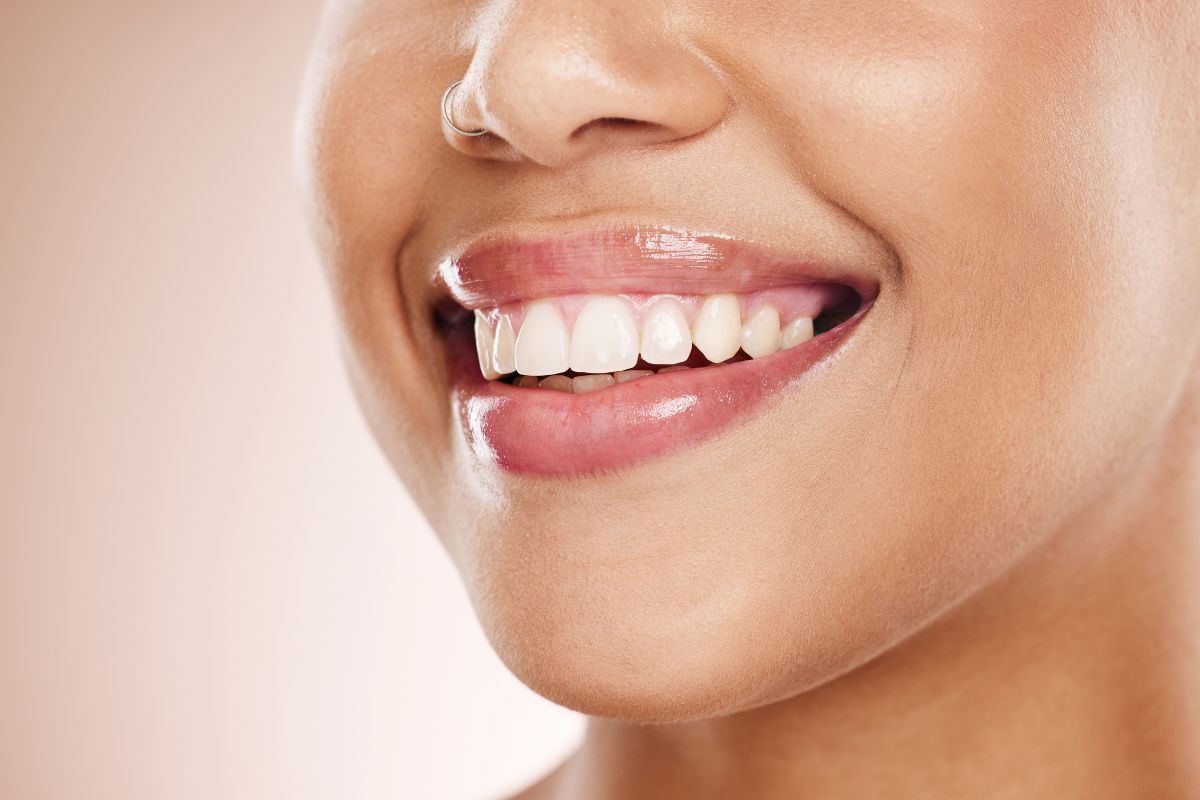
A brighter, more polished smile can be something you feel good about every day. But once cosmetic dental treatment is complete, taking care of your smile still matters. Good habits can help protect your teeth, restorations, and overall oral health.
Whether you have had professional teeth whitening, veneers, bonding, or another cosmetic procedure, cosmetic dentistry aftercare is an important part of maintaining your results. If you are considering treatment or want to understand your options, exploring cosmetic dentistry in Cumming can help you learn more about available treatments and what may be appropriate for your smile.
The right aftercare depends on the procedure you received. Your dentist can give you specific instructions based on your treatment, but several everyday habits can help keep your smile looking and feeling its best.
Quick Answer
Maintaining cosmetic dental results starts with consistent oral hygiene, regular dental visits, limiting foods and habits that can damage or stain your teeth, and following the aftercare instructions provided by your dentist. Different treatments require different care, so personalized recommendations should always take priority.
1. Keep Up With Your Daily Oral Hygiene
Cosmetic treatment does not replace the basics of dental care.
Brushing twice a day with fluoride toothpaste and cleaning between your teeth every day can help remove plaque and food debris. These habits support the health of your natural teeth and the tissues surrounding cosmetic restorations.
Be gentle when brushing, especially if your dentist has recommended a particular technique or toothbrush. Aggressive brushing can irritate your gums and may contribute to enamel or gum-related problems over time.
Your dental care routine should also include cleaning around dental work carefully. If you have veneers, bonding, crowns, or other restorations, ask your dental team whether there are specific cleaning products or techniques they recommend.
2. Be Mindful of Foods and Drinks That Can Stain
Some cosmetic treatments are more susceptible to staining than others.
Coffee, tea, red wine, cola, dark sauces, berries, and other strongly pigmented foods and beverages can contribute to tooth discoloration over time. This does not necessarily mean you have to eliminate your favorite foods and drinks.
Instead, consider moderation and good oral hygiene.
After consuming a staining food or drink, drinking water can help rinse away residue. Maintaining regular brushing can also help reduce the buildup that contributes to a duller-looking smile.
If you have recently undergone teeth whitening, follow the specific dietary recommendations provided by your dentist.
3. Don’t Use Your Teeth as Tools
This is one of the simplest and most useful ways to protect cosmetic dental work.
Avoid using your teeth to:
- Open packages
- Tear plastic
- Bite through hard objects
- Hold items
- Crack shells or other hard materials
Natural teeth can be damaged by these habits, and dental restorations can also be chipped or fractured.
If you have invested time and money into improving your smile, protecting it from avoidable damage is well worth the extra effort.
4. Be Careful With Hard or Sticky Foods
Certain foods can put unnecessary stress on dental restorations.
Hard candies, ice, very hard nuts, and other difficult-to-bite foods may increase the risk of damaging a tooth or restoration. Sticky foods may also pull on certain types of dental work.
This does not mean everyone with cosmetic dental treatment needs to follow the same restrictions. Your dentist can explain which foods are appropriate based on the specific procedure you received.
When in doubt, choose softer foods and avoid biting directly into something particularly hard.
5. Don’t Skip Routine Dental Appointments
A cosmetic procedure may improve the appearance of your smile, but your underlying oral health remains important.
Routine dental visits allow your dental team to monitor your teeth, gums, and existing restorations. Professional cleanings can also help remove plaque and buildup that regular brushing cannot always eliminate completely.
Regular examinations may help identify potential concerns before they become more complicated.
For patients in Cumming, maintaining an ongoing relationship with a dental practice can make it easier to monitor both cosmetic results and overall oral health.
6. Follow Treatment-Specific Aftercare Instructions
Not every cosmetic treatment requires the same type of maintenance. If you’re exploring different ways to improve your smile, this guide to top cosmetic dental treatments for a noticeable smile can help you understand some of the most common options and what they may involve.
After Teeth Whitening
Temporary sensitivity can occur after whitening for some patients. Your dentist may recommend products or adjustments to your routine if sensitivity develops.
Avoiding excessive exposure to staining foods and drinks can also help you maintain a brighter appearance.
After Dental Bonding
Bonding can improve the appearance of chipped, discolored, or uneven teeth. Because bonding material can be affected by excessive biting forces or certain habits, avoid chewing on hard objects and follow your dentist’s recommendations.
After Veneers
Veneers require regular brushing and interdental cleaning, just like natural teeth. Although veneers are designed to be durable, they are not indestructible. Avoid using your teeth to bite hard objects and let your dentist know if you notice a change in how a restoration feels.
Your dentist may provide additional recommendations depending on the type and location of your veneers.
7. Pay Attention to Changes in Your Smile
Knowing what is normal for your particular treatment can make it easier to recognize when something needs attention.
Contact your dental office if you notice issues such as:
- A restoration feels loose
- A tooth becomes unusually sensitive
- You notice a chip or crack
- Your bite suddenly feels different
- Your gums become persistently irritated or swollen
- You experience ongoing dental discomfort
A small concern does not necessarily mean your treatment has failed. However, getting it evaluated is better than ignoring a change and allowing a potentially manageable problem to progress.
8. Protect Your Teeth During Sports and Physical Activities
If you participate in contact sports or activities where your mouth could experience an impact, consider asking your dentist about a properly fitted mouthguard.
A mouthguard can help protect your teeth from injury during certain activities. This can be particularly important if you have invested in cosmetic dental work that you want to protect.
If you grind or clench your teeth, mention it to your dentist as well. Excessive forces can affect natural teeth and dental restorations.
9. Don’t Try to “Refresh” Your Results on Your Own
When cosmetic dental results begin to change, it can be tempting to try an aggressive whitening product or other DIY solution.
That approach is not always appropriate.
Before using a new whitening product or attempting to alter a cosmetic restoration, speak with your dentist. The best solution depends on what caused the change and what type of treatment you originally received.
Professional guidance can help you avoid unnecessarily irritating your teeth or gums.
How Long Do Cosmetic Dental Results Last?
There is no single answer because longevity depends on the treatment, oral hygiene, diet, habits, dental health, and other individual factors.
For example, whitening results can gradually fade as teeth are naturally exposed to foods and beverages that cause discoloration. Dental restorations can also experience normal wear over time.
Rather than focusing only on how long a cosmetic treatment “lasts,” think about maintaining your overall smile health. Regular dental care and good daily habits can help you get the most from your treatment.
Frequently Asked Questions
Can I drink coffee after cosmetic dental treatment?
It depends on the treatment and how recently it was completed. Coffee can contribute to staining, particularly after whitening. Follow your dentist’s specific instructions and consider drinking water afterward.
Do cosmetic teeth need special toothpaste?
Not necessarily. However, your dentist may recommend a particular toothpaste based on your treatment and oral health. Avoid making major changes to your dental-care routine without professional guidance.
Can whitening toothpaste maintain professional whitening results?
Whitening toothpaste may help remove some surface stains, but it does not necessarily reproduce the results of professional whitening. Ask your dentist which maintenance approach is appropriate for your smile.
What should I do if my cosmetic dental work chips?
Contact your dentist for an evaluation rather than trying to repair it yourself. Your dentist can determine whether the restoration can be repaired or whether another solution is necessary.
How often should I see my dentist after cosmetic treatment?
Your follow-up schedule depends on the treatment and your individual oral health. Continue regular dental visits and follow the appointment schedule recommended by your dental team.
Maintaining Your Smile Starts With Good Habits
Cosmetic dental treatment can be an important step toward achieving the smile you want, but maintaining the result is an ongoing process. Consistent brushing and interdental cleaning, thoughtful eating habits, protecting your teeth from unnecessary stress, and keeping regular dental appointments can all contribute to long-term smile care.
If you are in Cumming and considering a cosmetic treatment or simply want professional advice about maintaining previous dental work Cumming Dental Associates can help you understand your options and appropriate aftercare.
You can also see what patients are saying on Google when researching a local dental practice.
The most important step is to follow the instructions provided for your specific treatment. Cosmetic dentistry is not one-size-fits-all, and your dentist can recommend the safest way to care for your smile based on your individual needs.