Vickery Village

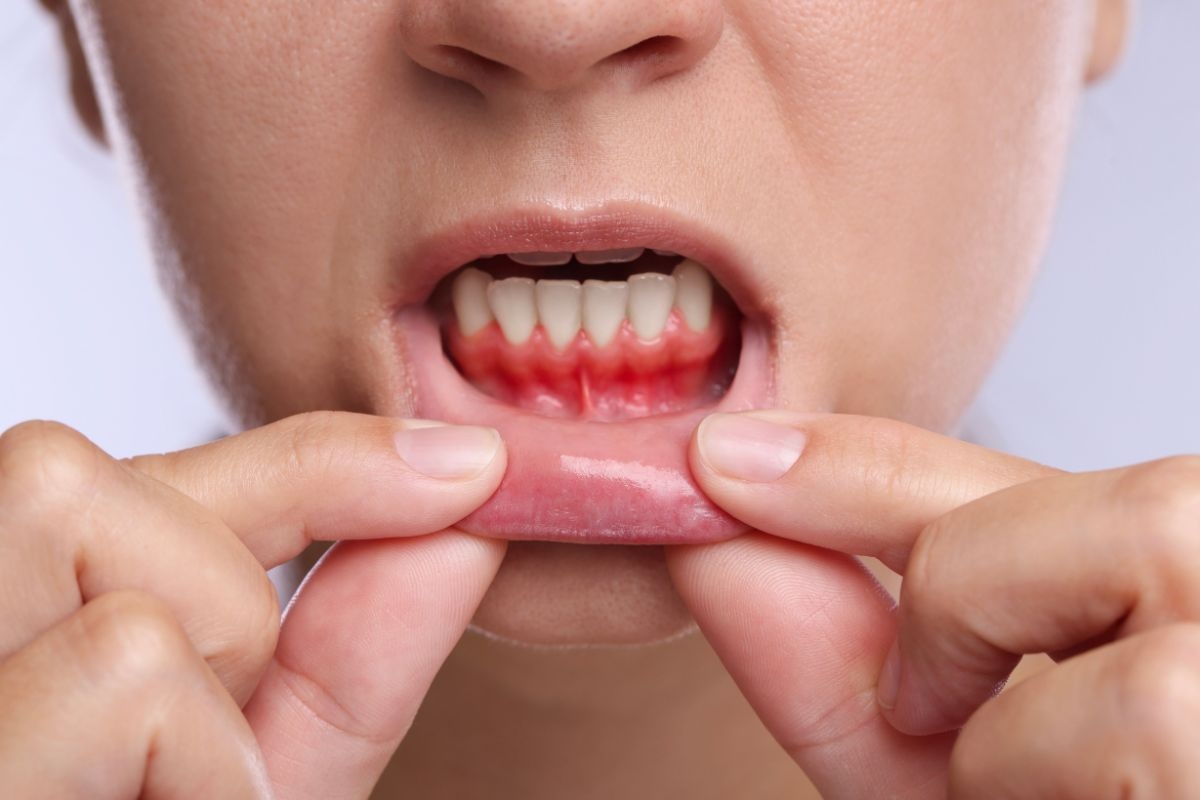
Have you noticed blood on your toothbrush, gums that look redder than usual, or breath that stays unpleasant even after brushing? These changes may seem minor, but they can sometimes be early signs of gum disease. Recognizing them early can help you protect your gums and reduce the risk of more serious dental problems.
Gum disease often develops gradually, and you may not experience pain in its early stages. At Cumming Dental Associates, patients can explore their options for periodontal treatment in Cumming if they notice changes in their gum health. Knowing what to watch for is a helpful first step toward maintaining a healthy smile.
Quick Answer: What Are the Early Signs of Gum Disease?
The early signs of gum disease include bleeding gums during brushing or flossing, red or swollen gums, persistent bad breath, gum tenderness, and changes in how your gums fit around your teeth. As the condition progresses, you may notice receding gums, loose teeth, or changes in your bite. A dental examination can help identify the cause and determine whether treatment is needed.
7 Early Signs of Gum Disease You Shouldn’t Ignore
Gum disease, also called periodontal disease, affects the tissues that support your teeth. It often begins as gingivitis, an early stage involving inflammation of the gums. Without appropriate care, it can progress to periodontitis, which may damage the supporting tissues and bone.
Here are seven symptoms worth paying attention to.
1. Bleeding Gums When Brushing or Flossing
Seeing pink or red on your toothbrush or dental floss can be easy to dismiss. However, healthy gums generally should not bleed regularly during routine oral hygiene.
Bleeding may occur when plaque, a sticky film of bacteria, builds up along the gumline and irritates the surrounding tissue. Brushing too aggressively or other oral health problems can also cause bleeding, so the symptom alone does not confirm gum disease.
What you can do: Brush gently with a soft-bristled toothbrush and clean between your teeth daily. If bleeding continues or happens frequently, schedule a dental evaluation rather than avoiding the area when brushing.
2. Red, Swollen, or Puffy Gums
Healthy gums are generally firm and fit closely around your teeth. Gums affected by inflammation may look red, feel puffy, or appear swollen around their edges.
You might notice these changes while brushing or looking at your smile in the mirror. Swelling can develop without significant pain, which is one reason early gum problems sometimes go unnoticed.
Pay attention to changes that persist for several days, particularly if they occur alongside bleeding or tenderness. A dentist can examine your gums and help determine what is causing the inflammation.
3. Persistent Bad Breath
Everyone experiences occasional bad breath, especially after eating certain foods or waking up in the morning. However, breath that remains unpleasant despite regular brushing, flossing, and tongue cleaning deserves attention.
Bacteria in plaque can produce odors, and gum disease may contribute to persistent bad breath or an unpleasant taste in your mouth. Other possible causes include dry mouth, certain foods, and dental infections.
If the problem continues, a dental examination can help identify whether gum inflammation or another oral health issue is responsible.
4. Tender or Sensitive Gums
Gums that feel sore, irritated, or uncomfortable during brushing may be inflamed. You might notice tenderness when eating crunchy foods or cleaning between your teeth.
Although gum tenderness can accompany gingivitis, it is not specific to gum disease. Brushing injuries, mouth sores, and other conditions may cause similar symptoms.
Avoid scrubbing your gums or stopping your oral hygiene routine because of discomfort. Instead, clean your teeth gently and arrange an examination if the tenderness persists or becomes more severe.
5. Gums That Appear to Be Pulling Away From Your Teeth
Have your teeth started to look longer than you remember? This can sometimes happen when the gums recede, exposing more of the tooth surface or its root.
Gum recession may be associated with periodontal disease, but it can also result from aggressive brushing, thin gum tissue, or other factors. Exposed roots may become sensitive to hot, cold, or sweet foods.
Recession is worth discussing with a dentist, even if it does not hurt. Identifying the underlying cause can help guide appropriate care and reduce further irritation.
6. Changes in the Way Your Teeth Fit Together
As gum disease advances, damage to the tissues and bone supporting your teeth can affect tooth stability. You may notice that a tooth feels loose or that your bite seems different when you close your mouth.
These changes are not typical of early gingivitis and may indicate a more advanced problem or another dental condition.
Do not wait for pain before seeking help if an adult tooth becomes loose or your bite changes unexpectedly. Prompt professional assessment can help determine what is happening.
7. Pus or Persistent Discharge Near the Gums
Pus around a tooth or along the gumline can indicate an infection. You may also experience localized swelling, tenderness, a bad taste, or discomfort when chewing.
This is not a symptom to ignore or attempt to treat at home. Contact a dental professional promptly for an assessment. If swelling spreads rapidly or you develop difficulty swallowing or breathing, seek emergency medical care.
What Causes Gum Disease?
The most common cause of gum disease is plaque buildup along and beneath the gumline. When plaque is not removed effectively, it can irritate the gums. Over time, plaque may harden into tartar, which cannot be removed with ordinary brushing and flossing.
Several factors can increase the risk of gum problems, including:
- Inconsistent brushing or cleaning between teeth.
- Tobacco use, including smoking.
- Diabetes, particularly when blood sugar is not well controlled.
- Hormonal changes that affect gum sensitivity.
- Certain medications that cause dry mouth or affect gum tissue.
- Genetic susceptibility and some immune-related conditions.
Having one or more risk factors does not mean you will develop gum disease. Good daily oral hygiene and regular dental evaluations can help identify problems before they become more serious.
How Can You Help Prevent Gum Disease?
A consistent oral care routine can help reduce plaque buildup and support healthy gums.
Brush twice daily. Use a soft-bristled toothbrush and fluoride toothpaste. Clean gently along the gumline without scrubbing too hard.
Clean between your teeth every day. Dental floss or appropriately sized interdental cleaners can remove plaque from areas your toothbrush cannot reach easily.
Keep up with dental visits. Regular examinations allow your dentist to assess your gums, check for periodontal pockets, and recommend professional cleanings when appropriate.
Avoid tobacco. Smoking and other tobacco use increase the risk of periodontal problems and can make healing more difficult.
Discuss relevant health conditions. Let your dental team know about medical conditions and medications that could affect your oral health.
These habits can help prevent gum problems, but they cannot reverse every form of existing periodontal damage. If symptoms are already present, professional evaluation is important.
How Is Gum Disease Treated?
Treatment depends on the severity of the condition and the health of the tissues supporting your teeth.
For gingivitis, professional cleaning and improved daily plaque removal may help the gums return to a healthier state. If periodontitis has developed, treatment may require a deeper cleaning procedure called scaling and root planing, which removes plaque and tartar from below the gumline and cleans the affected tooth-root surfaces.
Some patients need additional periodontal treatment or ongoing maintenance visits to manage the condition. The appropriate approach depends on the examination findings, including gum pocket measurements, bleeding, and any evidence of supporting bone loss.
At Cumming Dental Associates, patients in Cumming, GA, can discuss their symptoms and appropriate care options with the dental team. Treatment recommendations should be based on an individual evaluation rather than symptoms alone.
Frequently Asked Questions
1. Can you have gum disease without knowing it?
Yes. Early gum disease can develop without noticeable pain. You may have mild bleeding, swelling, or redness, or you may not recognize any symptoms. Regular dental examinations can help identify changes that are difficult to notice at home.
2. Can early gum disease be reversed?
Gingivitis, the earliest stage of gum disease, can often be reversed with professional cleaning when needed and consistent daily oral hygiene. Periodontitis involves damage to the supporting tissues and bone, which generally cannot be fully reversed. Treatment can help control the disease and protect remaining support.
3. Should I worry if my gums bleed when I floss?
Occasional bleeding can have several causes, but repeated bleeding should not be ignored. Plaque-related inflammation is one possibility. Continue cleaning gently and arrange a dental evaluation if the bleeding persists, recurs frequently, or occurs with swelling or tenderness.
4. When should I see a dentist for gum problems?
Schedule an appointment if you experience persistent bleeding, red or swollen gums, ongoing bad breath, gum recession, or tenderness. A loose adult tooth, pus near the gums, or significant swelling warrants prompt dental attention. Seek emergency medical care if swelling causes difficulty breathing or swallowing.
5. Does gum disease always cause pain?
No. Gum disease can progress without significant discomfort, especially in its earlier stages. The absence of pain does not necessarily mean your gums are healthy. Changes in gum color, bleeding, and persistent bad breath can all be reasons to seek an examination.
Protect Your Gum Health With Cumming Dental Associates
Healthy gums help support your teeth and contribute to your overall oral health. If you have noticed bleeding during brushing, persistent bad breath, swelling, or other changes, do not wait for discomfort to become severe before seeking advice.
Cumming Dental Associates provides dental care for patients and families in Cumming, Georgia. If you are concerned about your gums, contact the practice to arrange an evaluation and discuss whether periodontal care is appropriate for you.
Taking action when you notice changes in your gums can help you understand the problem and make informed decisions about your oral health.