Vickery Village

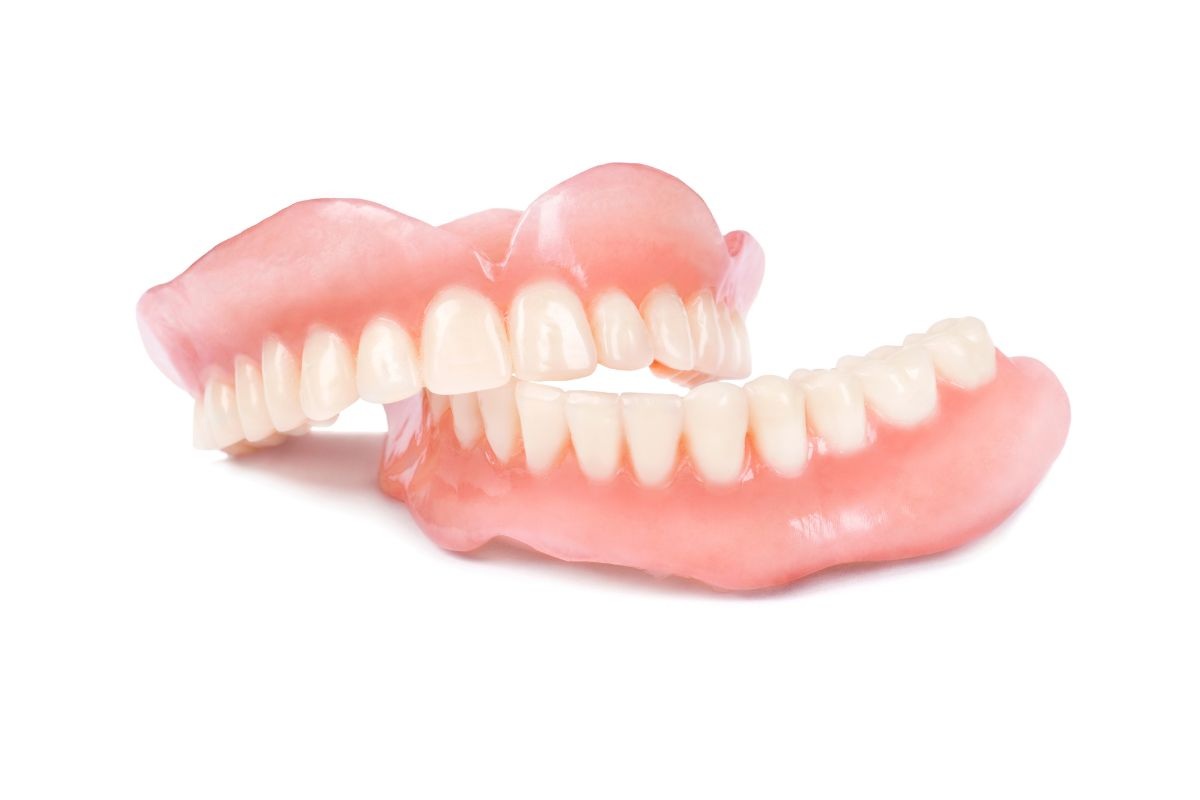
Losing a tooth can affect more than your smile. When several teeth are missing or existing teeth become damaged beyond repair, everyday activities such as eating, speaking, and smiling may become more challenging. You might find yourself avoiding certain foods, feeling uncomfortable in social situations, or wondering whether your remaining teeth can stay healthy.
If you have been experiencing these concerns, you may be wondering whether dentures are the right solution. Recognizing the signs you need dentures can help you understand when it is time to discuss tooth replacement with a dental professional. For patients considering tooth replacement, exploring the options for dentures in Cumming is a useful starting point for understanding the available treatments.
However, not everyone with missing or damaged teeth needs dentures. The right approach depends on your oral health, the number of teeth affected, and whether your remaining teeth can be preserved.
Quick Answer: How Do You Know If You Need Dentures?
You may need dentures if you have several missing teeth, extensive tooth damage, difficulty chewing, or problems speaking because of gaps in your smile. Loose teeth, recurring dental problems, and changes in your bite may also indicate a need for evaluation. A dentist can determine whether dentures, bridges, implants, or another treatment would best meet your needs.
7 Signs You May Need Dentures
1. You Have Several Missing Teeth
Missing teeth are one of the most noticeable reasons people consider dentures. Whether you have lost teeth because of decay, gum disease, an injury, or another dental problem, the gaps can affect how your mouth functions.
When multiple teeth are missing, you may have difficulty chewing certain foods or feel self-conscious about your smile. Depending on which teeth are missing, you might also notice changes in how you speak or how your remaining teeth fit together.
Dentures can replace multiple missing teeth and help restore the appearance and function of your smile. Partial dentures may be suitable when some natural teeth remain, while complete dentures may be an option when all teeth in an arch are missing or need to be removed.
A dental examination can help determine which option is appropriate for your situation.
2. Your Remaining Teeth Are Severely Damaged
Teeth can become weakened by extensive decay, fractures, or repeated dental problems. Sometimes, a tooth can be repaired with a filling, crown, or another restorative treatment. In other cases, the damage may be too extensive to save the tooth.
If several teeth have significant structural damage, your dentist may discuss different ways to restore your oral health.
Dentures may be considered when multiple teeth cannot be preserved. However, extraction should not be assumed to be necessary simply because a tooth is damaged. Whenever possible, preserving natural teeth is worth discussing with your dentist.
The goal is to identify a treatment plan that addresses existing problems while considering your long-term oral health.
3. Chewing Has Become Difficult or Uncomfortable
Do you avoid crunchy vegetables, nuts, fresh fruit, or other foods because chewing feels uncomfortable? Missing teeth or damaged teeth may make it harder to bite and chew effectively.
You might notice that you favor one side of your mouth or choose softer foods to avoid discomfort. These changes can affect your eating habits and make meals less enjoyable.
Dentures can help restore chewing function when tooth loss is the underlying problem. However, chewing difficulties can also result from cavities, gum disease, jaw problems, or poorly fitting dental restorations.
If chewing has become uncomfortable, schedule a dental evaluation rather than assuming dentures are the only solution.
4. Your Teeth Feel Loose
Adult teeth should not become noticeably loose under normal circumstances. Tooth mobility can sometimes indicate advanced gum disease, bone loss, or damage to the structures supporting the teeth.
If several teeth feel loose, your dentist will need to assess their stability and determine whether treatment can preserve them.
In some cases, periodontal treatment or other dental procedures may help manage the underlying problem. When teeth are too damaged or unstable to maintain, tooth replacement options may become necessary.
Important: Loose teeth do not automatically mean you need dentures. Early professional evaluation is important because some causes of tooth mobility may be treatable.
5. You Experience Recurring Dental Problems
Repeated infections, extensive cavities, and ongoing discomfort can make maintaining your natural teeth increasingly difficult.
You may have undergone several treatments over the years but still experience new problems. If multiple teeth have a poor long-term prognosis, your dentist may discuss a broader treatment plan rather than addressing each problem separately.
Depending on your circumstances, this plan might involve restoring selected teeth, removing teeth that cannot be saved, or replacing missing teeth with dentures or other restorations.
A comprehensive examination helps clarify which teeth can be preserved and which may require replacement.
6. Your Smile or Facial Appearance Has Changed
Missing teeth can change the appearance of your smile. When several teeth are absent, the spaces may become noticeable, and the relationship between your upper and lower teeth can change.
Extensive tooth loss may also contribute to changes in facial support, particularly when many teeth are missing.
Dentures can replace missing teeth and help support the appearance of your smile. The extent of the improvement depends on your individual anatomy, the type of denture, and how well it fits.
If changes in your smile are affecting your confidence, discussing tooth replacement options can help you understand what may be possible.
7. Your Bite Feels Different
Your upper and lower teeth work together when you bite and chew. Losing teeth can change how these teeth meet, sometimes placing additional pressure on the remaining teeth.
You might notice that your bite feels uneven or that certain teeth contact before others. These changes may also be related to worn teeth, jaw conditions, or other dental problems.
Replacing missing teeth may help restore a more functional bite, depending on the cause of the problem.
Your dentist can evaluate how your teeth fit together and explain whether dentures or another restorative option would be appropriate.
What Types of Dentures Are Available?
Dentures are removable dental appliances designed to replace missing teeth. The most suitable type depends on how many teeth are missing and the condition of your remaining teeth.
Complete dentures: These replace all teeth in the upper or lower arch when no natural teeth remain in that arch.
Partial dentures: These replace several missing teeth while fitting around the natural teeth that remain.
Implant-supported dentures: These are supported by dental implants placed in the jawbone. They may offer additional stability for suitable patients, but they require an assessment of bone health, medical history, and other factors.
Each option has different considerations involving fit, maintenance, cost, and treatment time. Your dentist can help you compare these factors before making a decision.
Dentures vs. Dental Implants: Which Is Better?
Dentures and dental implants can both replace missing teeth, but they work differently.
Traditional dentures are removable and generally do not require implant surgery. They may be suitable for people missing several teeth or an entire arch.
Dental implants are placed in the jawbone and can support crowns, bridges, or implant-supported dentures. Treatment involves a surgical procedure and requires sufficient bone support and an evaluation of overall health.
Some patients may benefit from traditional dentures, while others may be candidates for implants or a combination of treatments.
There is no single best option for everyone. Understanding the differences in implant vs dentures can help you compare tooth replacement options based on your oral health, preferences, and budget. Your dentist can explain which treatments may be appropriate for your individual needs.
When Should You See a Dentist?
Consider scheduling an appointment if you have missing teeth, difficulty chewing, significant tooth damage, or changes in your bite.
You should also seek prompt dental care for persistent dental pain, swelling, or signs of infection. Facial swelling accompanied by difficulty breathing or swallowing requires emergency medical attention.
During your appointment, your dentist can examine your teeth and gums, review your dental history, and determine whether imaging is needed. You can then discuss whether your natural teeth can be preserved and which replacement options may be appropriate.
For patients in Cumming, GA, Cumming Dental Associates can be a starting point for discussing denture treatment and other restorative options.
Frequently Asked Questions
Can I get dentures if I still have some natural teeth?
Yes. Partial dentures can replace missing teeth while fitting around remaining natural teeth. Whether they are appropriate depends on the health and stability of those teeth and your overall oral condition.
Are dentures uncomfortable at first?
Some initial soreness, increased saliva, or difficulty speaking may occur while you adjust to new dentures. Your dentist can check the fit and make adjustments when necessary. Persistent pain or sores should be evaluated rather than ignored.
Do I need dentures if I have only a few missing teeth?
Not necessarily. A dental bridge, dental implants, or a partial denture may be options, depending on the location of the missing teeth and the condition of your remaining teeth. Your dentist can help you compare the alternatives.
How long do dentures last?
Dentures do not last forever. Changes in your gums and jawbone can affect their fit over time, and the appliance itself can wear or become damaged. Regular dental checkups help determine when adjustments, relining, repairs, or replacement may be needed.
How do I know which dentures are right for me?
The best option depends on the number of missing teeth, your oral health, jawbone condition, preferences, and budget. A dental examination is the most reliable way to determine which treatments may be suitable.
Explore Your Tooth Replacement Options at Cumming Dental Associates
Missing or damaged teeth do not have to leave you guessing about your next step. Recognizing the signs that you may need dentures can help you seek an evaluation before dental problems interfere further with your daily life.
At Cumming Dental Associates, patients can discuss their restorative dental needs and explore treatment options based on their individual circumstances. If you are considering dentures, schedule an appointment to discuss your concerns, ask questions, and understand the options available to you.
You can also find our office on Google to view our practice information and get directions to Cumming Dental Associates.
The first step is a professional evaluation to determine whether dentures or another treatment is the right choice for your smile.